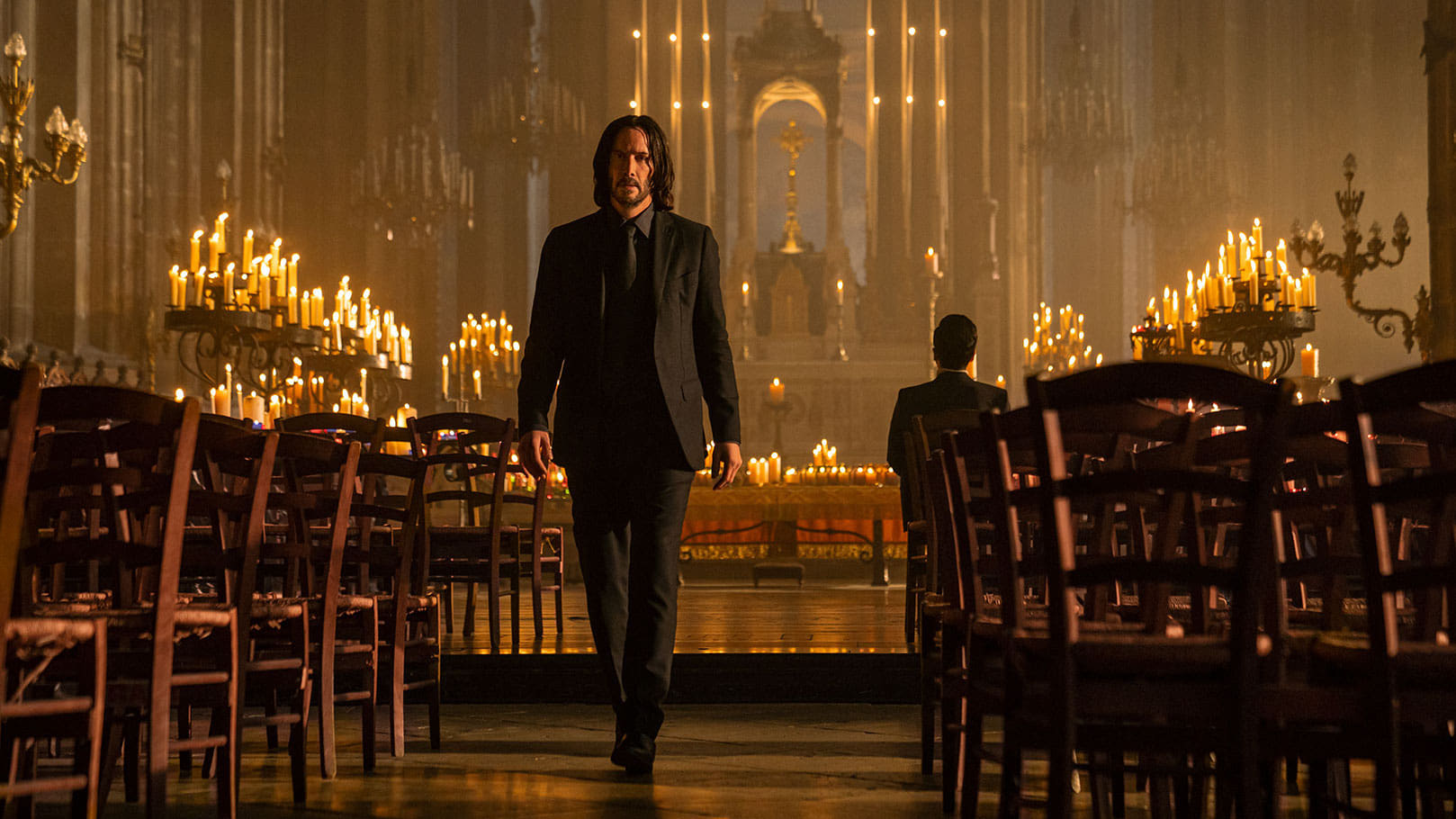
The 2024 Hugo Awards finalists were announced a few weeks ago, so I figured it was time to catch up with the Hugos to see what’s been going on. For the uninitiated, it’s been a rocky year for the awards. Let’s take a look at last year’s winners and briefly examine the requisite controversy around the awards (there’s always something, but last year’s faults were somewhat more glaring). Then we’ll take a quick spin through the 2024 finalists to see if it’s worth participating again (spoiler alert: I most likely won’t be participating this year.)
Hugo Awards 2023: Results
I didn’t participate last year, mostly because I didn’t have anything to nominate (it helps to have something worth championing) but also because the last few years have demonstrated that I’m almost completely out of step with the current voting body. This is not to mention that the Worldcon was being held in China, which complicated matters with fears that turned out to be well founded. The controversy primarily surrounded censorship and exclusion of works for political reasons, and the whole thing is a mess. There are tons of overviews of the controversy, so I won’t cover it in detail, but it’s a bit of a mess. You could sorta tell something was off last year just due to the lack of visibility in the process and the numerous delays.
As for the winners, it seemed like a pretty straightforward year (despite the censorship) that’s right in line with previous years (and pretty much what I expected in my Initial Thoughts).
Nettle & Bone, by T. Kingfisher ne Usula Vernon won for best novel. I didn’t read the book, but I’ve read some of Vernon’s work before, and I’ve always enjoyed it well enough (not so much that I would seek out more, but her stories were usually some of the better ones in the short fiction categories). The short fiction categories have some familiar names (another win for Seanan McGuire), but a few new ones too, including a Chinese winner for Best Novelette (not entirely unexpected given the host country – and to be clear, no real controversy here, it’s natural to see participation rise in the host country).
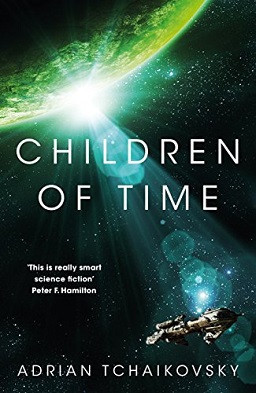
Best Series went to the Children of Time Series, by Adrian Tchaikovsky, which… is actually a great choice. Tchaikovsky is an author who has never had a novel nominated (I have not checked the short fiction categories, but I don’t remember seeing his name there either) and writes lots of series, which is exactly the sort of thing this awards should go for. Previous awards have often gone to folks who already have a Hugo for a Novel in the series in question (some get nominated in both Novel and Series in the same year). As usual, I still find the logistical overhead for this award a bit daunting (if you haven’t read a given series, how are you supposed to read all of it within the allotted voting period?), but I’ve read enough Tchaikovsky to know that he’s quite good and it’s nice to see him get some recognition.
It appears that this year’s awards have returned to the traditional timeline for the nominations, with the finalists being announced on Easter weekend. Let’s take a quick spin through the Novel finalists:
The Adventures of Amina al-Sirafi by Shannon Chakraborty (ne S.A. Chakraborty) – Looks to be a fantasy on the high seas sorta adventure and sounds pretty fun. Chakraborty has garnered lots of plaudits and nominations in other awards, but not the Hugos, and it’s always nice to see new names. I’m currently planning my “salty sea dog era” of reading, so maybe I’ll pick this up at some point.
The Saint of Bright Doors by Vajra Chandrasekera – One thing I have to give the Hugo voters credit for is seeking out fantasy novels that aren’t just warmed-over European history, but with wizards and shit. If I was a big fantasy reader, this one might be interesting. It’s a debut novel, so we’ve got yet another new name too.
Some Desperate Glory by Emily Tesh – Looks to be a pretty straightforward Space Opera with queer themes, a pretty standard Hugo choice.
Starter Villain by John Scalzi – The one nominee that I’ve actually already read… and I really enjoyed it! It’s significantly better than last year’s The Kaiju Preservation Society, though it still seems rather slight to be the best SF/F of the year. Certainly worth a look if you like Scalzi or spy-adjacent comedies.
Translation State by Ann Leckie – Leckie returns to the Hugos with another book from the Imperial Radch series, though I believe it looks like a standalone novel set in the Radch universe. Still, I’ve read enough of these that I know I don’t want to read more…
Witch King by Martha Wells – As a big fan of Wells’ Murderbot stories (which have been nominated several times and won multiple awards in Novella and Novel categories), I might actually be tempted to check out one of her fantasy stories, and this seems like a decent enough place to start…
So we’ve got 3 familiar names and former Best Novel winners and 3 new names (and one debut). Genre-wise, there’s 4 fantasy and 2 science fiction, which is not my preferred mix, but it could be worse.
Short fiction categories have some familiar names, but it appears that there’s more Chinese nominees here than even last year, which makes a certain sort of sense (membership in one year allows you to nominate in the following year, so it’s not a big surprise to see this).
Best Dramatic Presentation, Long Form has… zero billion-dollar Disney productions! Of course, there is a Spider-Man movie (er, half of a Spider-Man movie, womp-womp), but it’s still a pretty decent ballot, with oddball fare like Poor Things mixed in with underseen stuff like Dungeons & Dragons: Honor Among Thieves and Nimona. The only real surprise is The Wandering Earth II, another result of increased Chinese participation. All that said, I still kinda expect Barbie to win (though it’s not as much of a lock as EEAAO was last year).
As per usual, I can’t let the Best Dramatic Presentation, Long Form category go without suggesting more underseen alternatives. The most glaring absence: Godzilla Minus One (seems like it would be right up the Hugo voters’ alley). Other worthy movies include The Artifice Girl, Lola, No One Will Save You, Command Z, Knock at the Cabin, and Infinity Pool. There are some eligibility questions for some of those (a bunch of premieres at film fests in 2022 with release in 2023, etc…), but they’re all worth your time. (Some of those are horror adjacent, which generally don’t do well at the Hugos, but I’m not including several other more straightforward horror flicks that are worthy of recognition, like Sick, Brooklyn 45, Talk to Me, and more…)
So yeah, I’m likely not participating again this year, but I might pick up a book or two from the list and will follow along. Definitely curious to see how some of the categories turn out…
Last year, I made a film-based resolution to watch 50 movies from from 50 different countries (lots of caveats and rules for what qualifies, as enumerated in that introductory post). This is not the first time I’ve done a project like this (see also: The 1978 Project and 50 Under 50), and it’s become tradition to do a sorta post-mortem closing remarks of the project at the end. Of course, I finished this particular resolution in December, but with all the year-ending shenanigans, Movie Awards, and whatnot, I’m only now circling back to 50 From 50 to close it out with a quick recap and general thoughts on the experience.
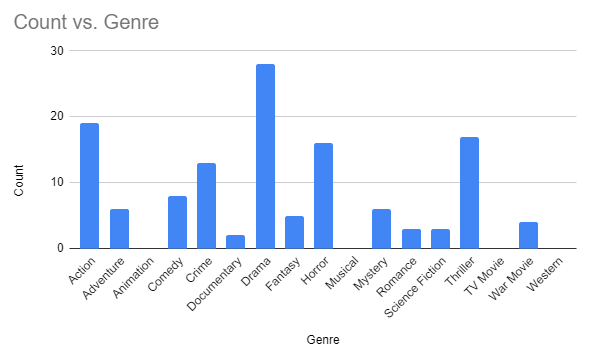
In terms of genre, there was perhaps more concentration than normal, especially around Action and Horror/Thrillers. Of course, the catch-all “Drama” category comes in at the top of the list, but that’s also because there’s significant overlap (i.e. a lot of those Action or Horror movies are also classified as Dramas). This does make a certain sorta sense, as foreign films that are easily accessible in the US tend to target more specific markets to garner a wider audience. It’s not entirely surprising that Comedy didn’t do quite as well, perhaps in part because Comedy doesn’t travel as well as Action or Horror. And, of course, it’s worth noting that I’m going off of Letterboxd’s preset genres, which has its own bias. Is “Crime” its own genre, or does it get lumped in with Action or Thriller? And so on.
Of course, I have my own biases, and it’s not an accident that Action and Horror are often well represented in my media diet in general. Indeed, for year-long projects like this, I’m sure the Six Weeks of Halloween marathon exerts a healthy influence (and 50 From 50 was no exception).
All that said, there is a wide array of genres represented in the 50 movies I watched. The only genres I didn’t hit were Animation, TV Movie, and Western. None of these are especially surprising, even if I could have easily hit at least two of those genres (if I had watched a Spaghetti Western or an Anime movie, for example), but by the time I thought of it, I had already progressed beyond the most obvious countries for those genres (more on this in a bit).
By Decade
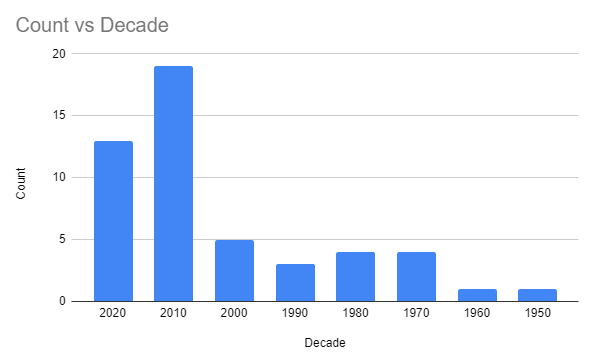
While I did manage to squeeze in movies from 8 different decades, there is an obvious and pronounced recency bias in what I watched. This is at least partly due to a recency bias in what is widely available to watch in the US, especially on streaming. I did make a concerted effort to seek out certain movies though, and at least 3 movies on the list are not available on (legal) streaming in any form. Some of these are available on physical media (for example, Vinegar Syndrome put out a great release of Thriller that does not seem to have been picked up by any streaming service, even for rentals), but some are simply unavailable in any way except through… less reputable methods (i.e. Nokas). We’ll talk more about availability below, so I won’t belabor the point here, but despite the recency of most of the movies, there was still a fair sampling of older films…
The Map & Included Countries
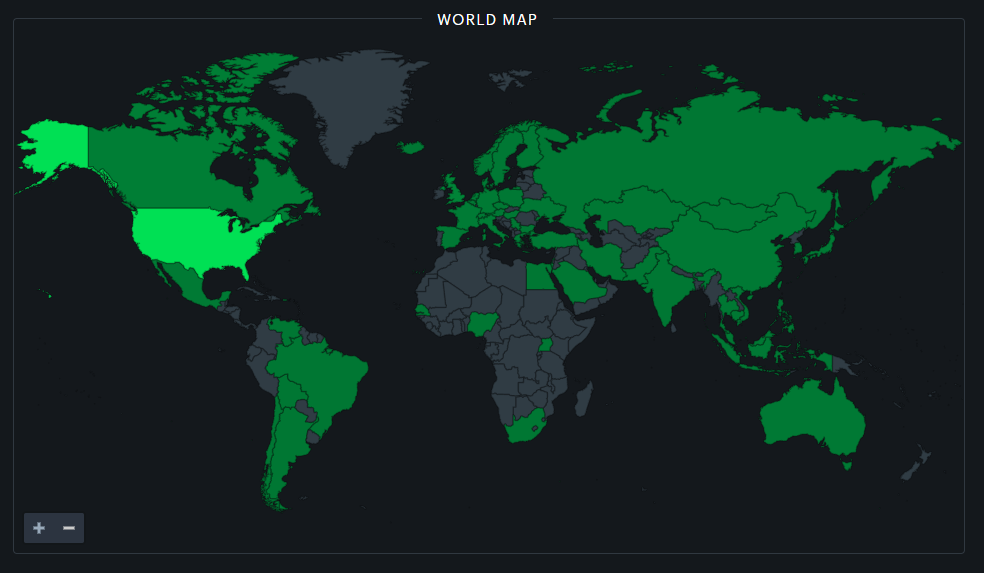
This is perhaps the most filled map I’ve ever had for a single year, which is not especially surprising given the whole point of this project. The biggest surprise, though was that I didn’t end up seeing any movies from Ireland or New Zealand. Of course, both of those were excluded from 50 From 50 due to their presence in the Anglosphere, so maybe not entirely surprising, but it’s telling that I’ve already seen multiple movies from both of those countries here in 2024. The only country that I wanted to get to that I didn’t manage was Romania, which has a rich arthouse tradition, but I had trouble with availability (more on this below) and just ran out of time. While there were lots of the usual suspects (i.e. France, Japan, Italy, etc…) represented, I watched plenty of movies from unlikely sources that I probably would not have gotten to otherwise (i.e. Saudi Arabia, Senegal, etc…)
Miscellaneous Thoughts
As always, this sort of movie resolution was eye-opening, though certain issues kept cropping up.
One thing I think I underestimated at the start of this was the relative difficulty of finding qualifying movies. This is partly due to my own restrictions. Forbidding co-productions with Anglosphere countries really eliminates a wide swath of movies off the bat. In general, I tried to avoid movies with multiple origin countries, which restricts things further. You’d be surprised at just how many movies, even from countries with a strong film tradition, have multiple origin countries. I was not entirely successful in avoiding this completely, and in one case, I accidentally included a film that was a USA co-production (I maintain that when I watched it, it didn’t list this on Letterboxd, but that it changed later…)
Another thing that wound up frustrating me was that this resolution forced a wide range of countries, but didn’t particularly allow for deeper exploration of a particular country’s cinema. It was kinda weird to choose one movie to represent the country, and, like, I watched a bunch of shlocky movies that are probably not representative of a given country’s cinema as a whole. Of course, none of this meant I couldn’t continue to explore a given country’s movies further, but the focus on tackling a new country every week did cut down on that a bit. There were definitely some things I had planned for a specific country that got pre-empted by something else. For example, The Last Drive In showed a movie called Tigers Are Not Afraid, which ended up taking the Mexico slot that I had originally planned for the films of Carlos Enrique Taboada during the Six Weeks of Halloween.
I had originally made a rule that I would watch 20 movies from one qualifying country. This was meant to counteract what I just mentioned, but I would up not committing to one country and never got to 20 movies. That being said, I did get to 15 films from Italy and 12 films from Hong Kong (in both cases, I’m being a little more lenient and including movies with multiple countries of origin). Both were conscious efforts to increase foreign film watching, so I think that basically makes up for missing the 20 film mark.
Streaming availability was a primary driver of the mix of films described above. By far, the most useful streaming service for this exercise was… Tubi. A free, advertising supported service, it’s got a very wide selection, especially when it comes to genre fare. Surprisingly, Netflix was also a pretty good resource here. They actually have a pretty great selection of foreign films that you might not be aware of because the algorithm rarely puts it in front of you (except in some very specific circumstances). Amazon Prime was also a key resource, but it almost always is for something like this. Shudder also does a good job of curating obscure foreign horror films (yet another factor in the genre mix described above). Max actually has a pretty good portion of the Criterion catalog on their service, which was also very useful here.
Speaking of Criterion, it’s probably not an accident that a large proportion of the older films included on the list were Criterion releases. Of course, they also have a streaming service of their own, but it’s interesting that physical media purveyors like Criterion, Vinegar Syndrom, and Arrow are invaluable in making foreign movies more accessible to US audiences.
I found this whole exercise interesting and edifying, but I do think that perhaps it would be more valuable to do a deep dive into one country’s films rather than a shallow dive into many countries, as I have done here. I don’t have any current plans to start a new resolution, but if I wanted to do a foreign film based resolution, I would almost certainly narrow the focus to one country (and maybe even further by genre – Spaghetti Westers, Giallos, Anime, etc…).
Update: By popular demand, quick lists!
Best Movies
High and Low – Not especially shocking that Kurosawa directed the best movie of the bunch…
Ultimately, I probably didn’t need to split the list into two categories. It works as a top 10 (in no particular order). Also, I don’t usually like to spend time on “worst” movies from an exercise like this, but it’s pretty clearly Altered Skin. So there you have it. Onwards and upwards.
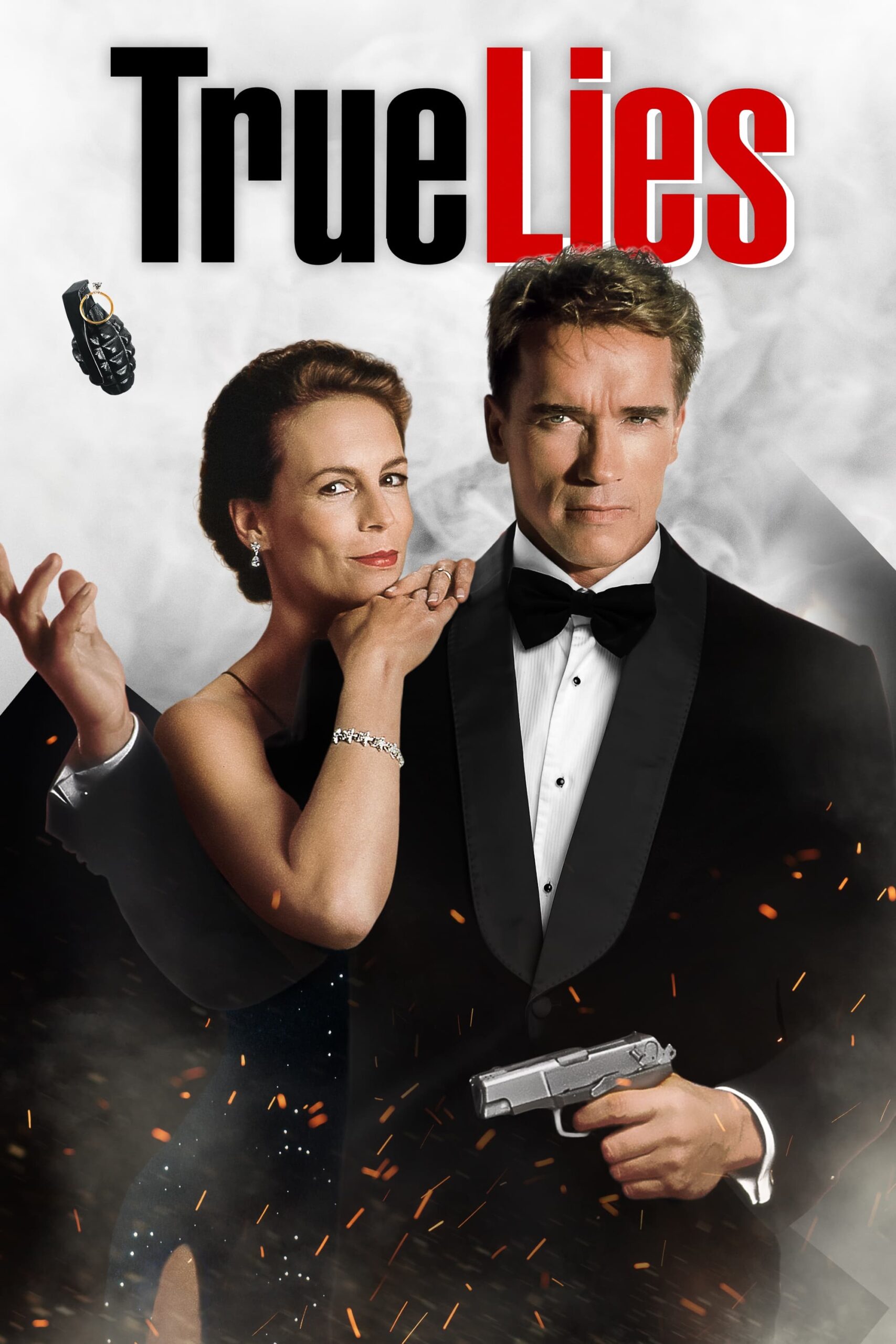
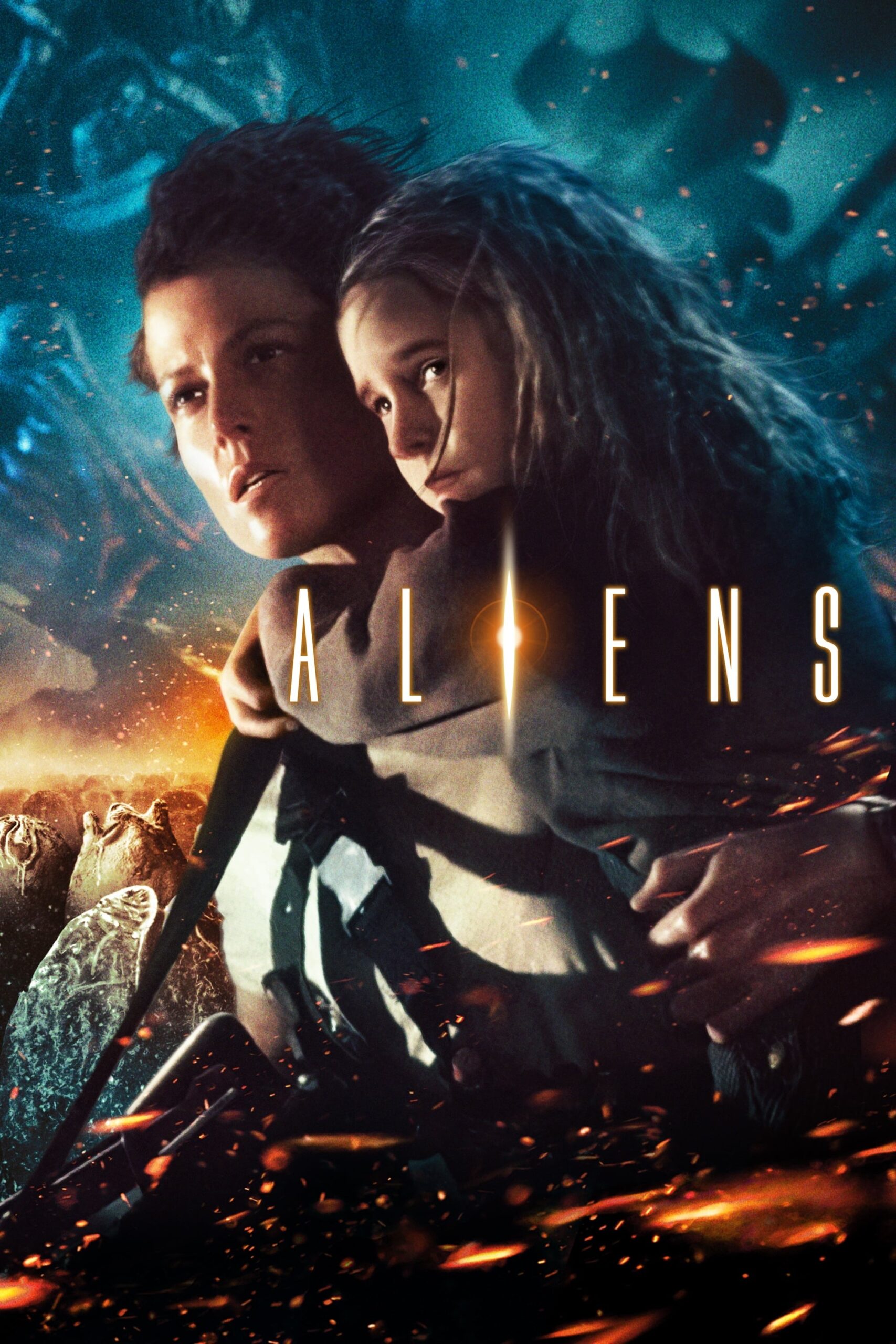
At Beyond Fest last September, James Cameron screened a new transfer of the Abyss and confirmed that the 4K home video release was imminent. Soon after, it was announced that True Lies and Aliens were also getting the 4K treatment. Then it was revealed that the remastering process heavily leveraged AI digital noise reduction techniques, and the digital streaming releases lead to some rather unflattering screenshots, particularly for True Lies. The internet, being a model of restraint and understatement, had a real normal one with this news.
To be fair, I also tend to prefer a more unvarnished approach to 4K scans. These movies were shot on photochemical film and a true transfer to digital will include things like film grain. Some of the boutique physical media peddlers, like Vinegar Syndrome or Arrow, are pretty good at doing a simple transfer based off of poorly preserved film (given their metier of cinematic schlock, that is most certainly the case for the movies they’re rescuing from obscurity). Sure the film grain is noticeable and sometimes you even get a nick or scratch or even a cigarette burn showing up, but that’s not a terrible thing in my book and I’d rather that than something that looks like it was filmed on digital last week. The process used on these Cameron 4Ks does create new data that was not there on the original print. There’s something to be said for preserving the film, warts and all (I’m looking at you, George Lucas).
On the other hand, the controversy and hate surrounding these three releases has gotten out of hand. In the case of The Abyss and True Lies, the last official US release was on DVD, and no matter how you slice it, the 4K looks much, much better than the DVD. It’s also worth noting that the process of doing a 4K scan is more complicated than I’m making it out to be, especially once you start throwing in things like color grading/timing and HDR. Folks who know what they’re talking about have technical complaints about these releases that are notable, but on the other hand, most (nearly all?) viewers won’t be able to notice the difference while actually watching the film in motion. It’s easy to look at a screenshot comparison and say it looks bad, but that’s not how you actually watch a movie.
One last bit of apologia, the 4K digital streaming release is different than the 4K physical disc release. There are some exceptions here, but as a general rule, the file size and bitrate of a 4K stream are going to be significantly smaller than the disc. A lot of the times, when you are streaming 4K, you’re not even really getting a blu-ray quality picture. Those unflattering screenshots I mentioned earlier? It’s not an accident that they came out when the 4K scans were released on streaming. The discs are not perfect, to be sure, but they’re better than the streams.
This sort of technical analysis is worth doing and has value, but I can’t help but agree with Jeff Rauseo: some people are taking this all way too seriously. I’ll give specific thoughts on each release below, but my overall feeling is that these movies look pretty good and are worth buying if you, like me, love these movies and want the best possible experience of watching them at home. There are some imperfections and I’d prefer the more natural film look to the digitally processed look, but that’s not a deal breaker, and two of these releases (The Abyss and True Lies) are massive improvements over their respective DVD releases. For crying out loud, the last The Abyss DVD release wasn’t even anamorphic widescreen!
True Lies
Conventional wisdom is that this is the worst of the three releases and I agree with this. That being said, it’s not worth getting too worked up about (like, seriously, I know social media makes it easy to issue death threats from the comfort of your toilet, but that doesn’t mean you should do so). Um, anyway, skin textures sometimes appear waxy, especially in closeups (Tom Arnold, in particular, was done no favors here), and you get some obviously artificial smoothing effects throughout. The color grading sometimes feels unnatural as well. That being said? This is mostly not a distraction in watching the movie. I’m calling this out because I was specifically looking for defects in the appearance, and even then, I generally found myself caught up in the story and forgetting about any of the issues with the picture.
I forgot how much I enjoyed this movie, which I probably still consider to be one of Cameron’s more… for lack of a better term, “conventional” looking movies. It’s a super fun action movie and I love it, but it’s not quite the visual spectacle Cameron was known for, even at the time (not saying that Cameron doesn’t know how to frame or block a shot – the craft here is great, it’s just not as visually stunning as most of his other work.) Perhaps this is why I’m more forgiving of the 4K’s flaws, which do sometimes stick out, but are mostly (if not fully) offset by the incredible improvement over the previously available DVD. Supposedly there’s a Spanish Blu-Ray scan floating around out there, and I’ve seen conflicting reports of this. Some of the screenshot comparisons make the blu-ray look great, others do not. After having watched the 4K, I don’t think it really matters that much. The 4K looks good enough.
This Twin Flicks review of the disc goes into some of the background of why this movie appears the worst out of the three recent releases, including comments from people who actually worked on the disc. It has to do with the film stock and lenses used to shoot the film in the first place (some of the weirdness mentioned is due to this, not the AI processing), plus there was damage to the negatives that happened in storage. So this was apparently a “lesser of two evils” choice, not a deliberate or experimental choice (nor was it due to incompetence or laziness).
Yes, it looks a little processed, but the image is clearer and sharper than the previously available releases and it’s absolutely the best home video release of the film available. Even the packaging doesn’t look too bad (previous releases might be slightly better, but this is nothing egregious).
Aliens
Generally looks better than True Lies, though you do still get the occasional distraction of a waxy face, especially in closeups, but that’s rare, and the improvements you get everywhere else, particularly when it comes to the blacks and shadows and detail in the Alien nest or the Alien queen scene. The level of detail is pretty astounding, and the colors tend to pop better too. Film grain has not completely disappeared, but it’s barely noticeable.
Aliens is the only one of these releases that had previously been available on blu-ray, so it’s probably the least important to upgrade, but it’s also one of my favorites and the upgrade is noticeable. The packaging artwork is a bit of a downgrade from previous releases, but that’s not the worst thing in the world (Update: in looking at the various posters for Aliens, this is clearly bottom tier and there have been tons of previous releases with much better artwork.)
The Abyss
This is probably the best looking of the three discs, and honestly, I didn’t really notice much in the way of flaws here at all. I mean, there’s very little film grain and it looks like the movie was shot on digital last week, but that’s not something that will be distracting or even noticeable to most folks. If you are really searching for something to dislike, you might be able to find some artificial smoothness or waxy complexions, but honestly, the only time I really noticed someone waxy was when a character had just drowned and their face looked a little waxy (trying not to spoil, but you know the scene if you’ve seen it), but, like, it’s kinda supposed to look that way. And you get so much improvement in everything else, especially in the underwater scenes or anything dealing with darkness or shadow. It’s more detailed, the colors more vibrant, everything looks significantly better.
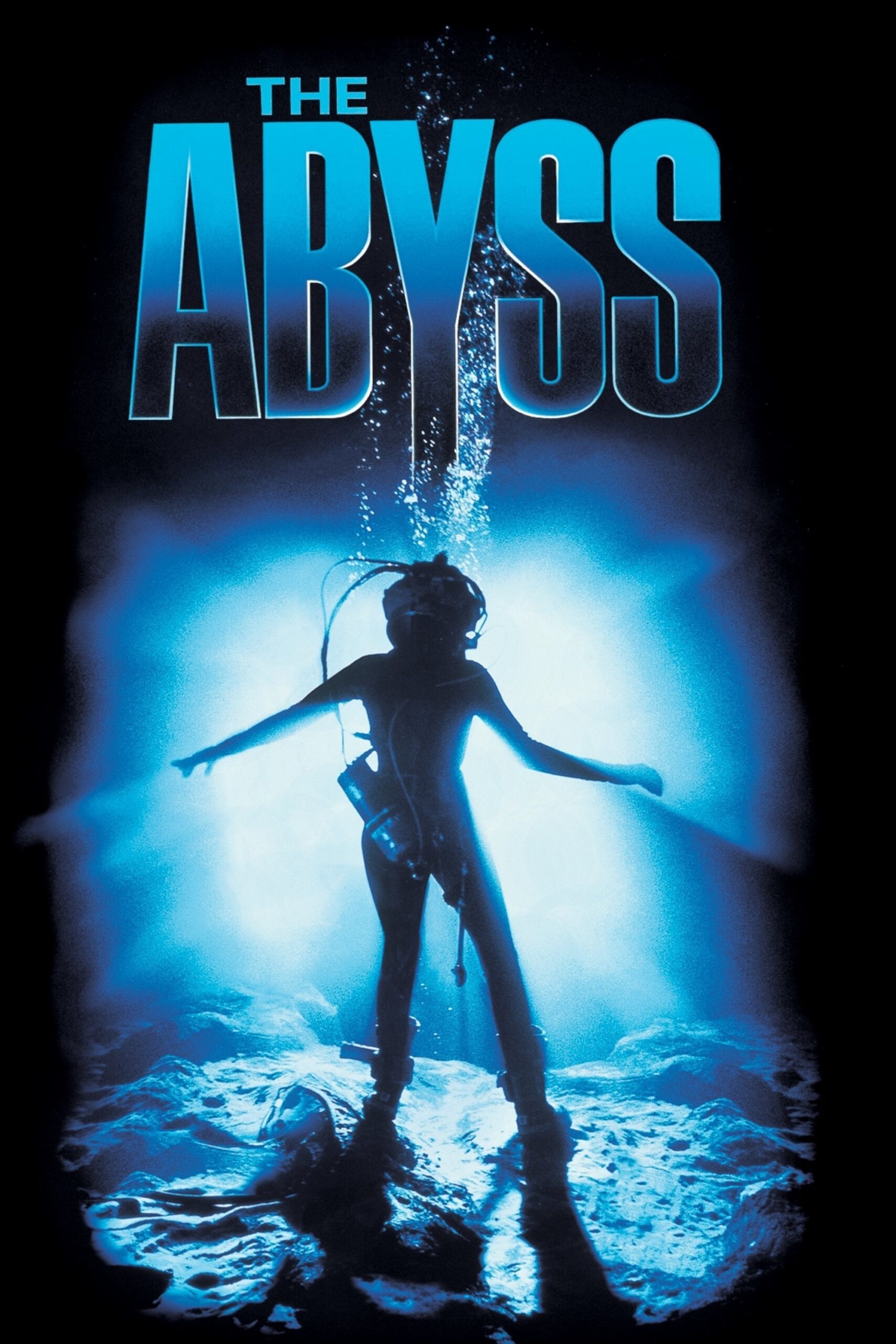
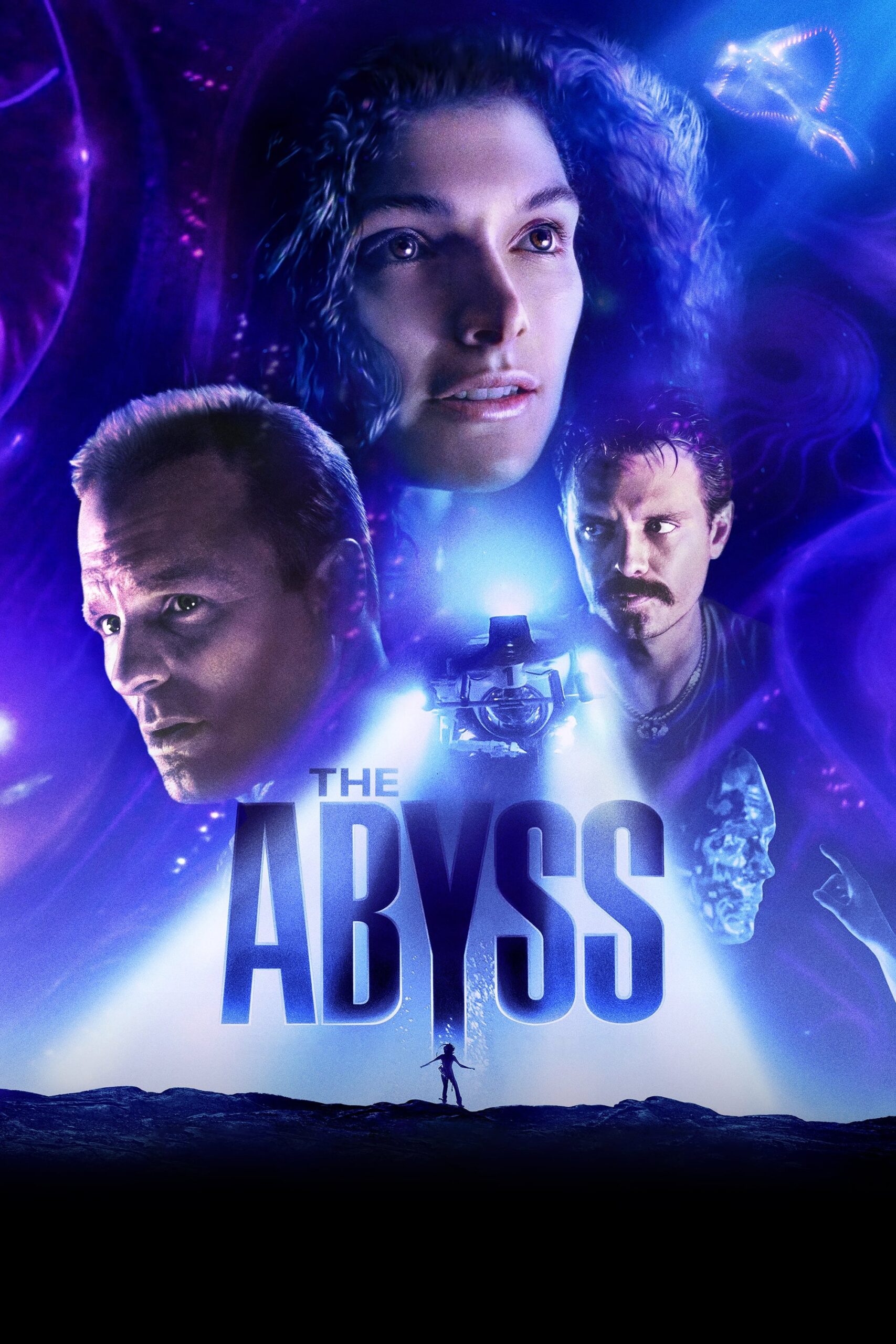
As mentioned above, this is probably the biggest upgrade as well. The previous DVD release was non-anamorphic widescreen, which is almost unwatchable on a modern setup. If you like this movie, this disc upgrade is a no-brainer. The biggest flaw with this movie is the artwork on the packaging, which goes for that lazy floating heads photoshopped thing that just looks awful, especially when the original poster is so memorable (I tried using WordPress’ image compare block here, not sure I love it, but you can slide back and forth to see more of each poster).
(As an aside, I don’t always love the updated artwork that the boutique physical media shops use either, but they almost always have reversible artwork such that you can switch to the original movie poster artwork if you want, which is awesome.)
Ultimately, the only real disappointment here is the lack of film grain, something most viewers won’t even notice and which I got used to very quickly. If you’re a fan of Cameron, these are all definitely worth the upgrade.
A little over ten years ago, Neal Stephenson teased a new series of historical fiction in an interview with the BBC:
Stephenson says he has returned to the past to tap a “similar vein” to that covered in his globe-spanning Baroque Cycle.
“They’re historical novels that have a lot to do with scientific and technological themes and how those interact with the characters and civilisation during a particular span of history,” he says of the new series, refusing to be specific about the exact period.
“It looks like it will start with two back-to-back volumes.
“One of those is largely done and the other will be done early next winter. So I think [they will be released] mid-to-late 2014 perhaps – something like that.”
Not long after, listings for something called Polostan and BombLight started showing up in various places that dorks scour to find new books, but the descriptions associated with those listings seemed to indicate that they were just working titles for Seveneves, which would be released in 2015 (the BombLight listing on Goodreads still has that old Seveneves plot description…)
The Rise and Fall of D.O.D.O. would come out in 2017 and featured some time travelly historical fiction and appeared to be first in a series (his co-author did continue the series, and I’d definitely be up for a third, but I digress…) I thought maybe the historical novels he mentioned were either sidelined permanently, or perhaps they had morphed into the D.O.D.O. books.
However! A couple months ago, some of those placeholder Polostan pages started to be updated with actual details, and now there’s even an official Harper Collins page, complete with a new plot description:
From the #1 New York Times bestselling author of Termination Shock and Cryptonomicon, the first installment in a monumental new trilogy—an expansive historical epic of intrigue and international espionage, presaging the dawn of the Atomic Age.
The first installment in Neal Stephenson’s Bomb Light cycle, Polostan follows the early life of the enigmatic Dawn Rae Bjornberg. Born in the American West to a clan of cowboy anarchists, Dawn is raised in Leningrad after the Russian Revolution by her Russian father, a party line Leninist who re-christens her Aurora. She spends her early years in Russia but then grows up as a teenager in Montana, before being drawn into gunrunning and revolution in the streets of Washington, D.C., during the depths of the Great Depression. When a surprising revelation about her past puts her in the crosshairs of U.S. authorities, Dawn returns to Russia, where she is groomed as a spy by the organization that later becomes the KGB.
Set against the turbulent decades of the early twentieth century, Polostan is an inventive, richly detailed, and deeply entertaining historical epic, and the start of a captivating new series from Neal Stephenson.
Well that’s certainly interesting… Funnily enough, the plot doesn’t mention any particular scientific or technological themes (I guess “dawn of the Atomic Age” is something), so it’s quite possible this is just a new historical fiction series, but who knows? Also: who cares? I guess goobers like me, but whatever the case, we’re getting some new Stephenson soon. The Russia angle feels relevant without being too on the nose, and I’m guessing this will be more of a spy thriller type of historical fiction, but I guess we’ll find out soon enough. Current release date is October 15, 2024, which is right in line with Stephenson’s normal cadence of new books every 3-4 years. No book cover yet, and who knows, maybe they’ll further complicate matters by changing the title. (Hat tip to Kaedrin friend and fellow Stephenson fan ARNE for the pointer…)
The Oscars, like most of us, have had a strange few years, but things seemed to settle in 2023 and I’m guessing 2024 will continue the slow march back towards normalcy. The pandemic had a big impact on the industry as a whole, which naturally trickled down to the Oscars, who tried some experiments, but have basically returned to a pre-pandemic format. The biggest innovation this year: starting an hour early, finally recognizing that the 3+ hour ceremony would actually be that long. Otherwise, we’ve got a reasonably successful host, movies normal people actually watched are nominated, and they didn’t try any other weird ideas (i.e. not presenting important categories, or adding a new category for popular movies or whatever that thing was, etc…)
So it’s also time for the annual reminder that the Oscars broadcast is the biggest source of income for the Academy of Motion Picture Arts and Sciences, which is actually a very useful organization. As Steven Soderbergh noted a few years ago, what the Academy does for film archiving and preservation alone should be praised, and it’s all paid for by the broadcast. People love to complain about the Oscars, but that’s kinda fun in itself, and it’s not like any mainstream awards program wouldn’t court controversy or criticism in some way. Actually putting on the show is difficult and it does have a lot of benefits for the industry and cinema as a whole. Anyway, let’s look at the categories and make some predictions:
2024 Oscars Predictions
Best Picture:Oppenheimer. This appears to be, more or less, a lock. Strangely, I think it’s probably the one that “should” win as well, which is a pretty rare occurrence for me. Biggest competition seems to be coming from The Zone of Interest (maybe a more typical Oscar type film, but it’s also somewhat divisive and I doubt it could overcome Oppy) and Poor Things (I would say that this is far too weird for the Academy voters, but then, they gave last year’s oscar to Everything Everywhere All at Once, so who knows anymore.) I dunno, maybe Barbie because Greta Gerwig didn’t get the director nom, but that seems quite unlikely (if there’s a true desire to reward Barbie, there are some other category options as well).
Best Director: Christopher Nolan for Oppenheimer. Also something of a lock. Also probably “should” win. I suppose there’s an off chance that Yorgos Lanthimos (Poor Things) or Jonathan Glazer (The Zone of Interest) could win, but I wouldn’t take those odds. Martin Scorsese and Justine Triet certainly deserve to be nominated, but there’s almost no chance that either would win.
Best Actress: Lily Gladstone in Killers of the Flower Moon. Seems to have the buzz, but not quite as strong as Oppy/Nolan. Genuine possibility that Emma Stone win for Poor Things, but I think that’s unlikely. It would be an upset, but not a shocking one.
Best Actor: Cillian Murphy in Oppenheimer. Again, plenty of buzz, and may benefit from the general Oppy momentum, but there’s an off chance that Paul Giamatti (The Holdovers) could win… I think I’m going long on Oppy this year though, probably a winning strategy.
Best Supporting Actress: DaVine Joy Randolph in The Holdovers. I know I just said I’m going long on Oppy this year, and Emily Blunt is nominated here so I guess it’s possible she could take this, but Randolph has the buzz (and probably the better performance, if that matters).
Best Supporting Actor: Robert Downey Jr. in Oppenheimer. This is another seeming lock for Oppy and Downey Jr. certainly deserves recognition. I think the funniest/worst potential outcome would be Ryan Gosling winning for Barbie (with a potential additional knife twist by not awarding Barbie anything else, even in the technical categories). To be clear, Gosling is great (and Barbie deserves some awardage), but I don’t expect him to win (nor do I expect Barbie to be shut out).
Best Original Screenplay:The Holdovers. This is a tough category, and I do think there’s a good chance that Anatomy of a Fall… it might even be the favorite (I would vote for it from this list of nominees), but I’m going with The Holdovers as the winner.
Best Adapted Screenplay:Oppenheimer. Again, I’m betting it’ll be an Oppy kinda night, but this category seems like one that could easily go to Barbie or American Fiction or honestly, any of the nominees. This category feels wide open…
Best Cinematography:Oppenheimer. Seems like a lock, but off chance that Poor Things could upset.
Best Visual Effects:Godzilla Minus One. This category also seems wide open. The Creator has a solid chance here too. Both are relatively low budget movies with an impressive look that’s probably fueled by overworking some poor VFX company.
Best Production Design:Barbie though it could easily go to Poor Things. Honestly don’t know which, but I think Barbie needs to win something, and I’m betting it’ll be here. Poor Poor Things, I’m betting they’ll be runner up in many categories… though this is the one I think they could actually win (unlike many of the times above when I predicted they’d be runner up).
Best Costume Design: Barbie though again Poor Things could easily win. This would be the most stereotypical win for Barbie. The hot takes will be unbearable if it’s the only win (or if it gets shut out).
Best Documentary:20 Days in Mariupol. Russia is bad, and Hollywood wants you to know they think that (this was my reasoning last year, and I think it will work again this year).
Best Original Song:Barbie “I’m Just Ken”. Very possible that “What Was I Made For?” will take this.
Best Original Score: Ludwig Goransson for Oppenheimer.
And those are the categories I pick every year. Why don’t I pick the others? It’s a mystery! Anywho, if you’re a weirdo and want to plumb the depths of the Kaedrin archives for old Oscars commentary (if you go far back enough, you can even read what used to be called “liveblogging” of the event, which is what we did before Twitter), all my previous entries are here: [2023 | 2022 | 2019 | 2018 | 2017 | 2016 | 2015 | 2014 | 2013 | 2012 | 2011 | 2010 | 2009 | 2008 | 2007 | 2006 | 2005 | 2004] (I took a couple of years off there for various reasons). If you are watching and on Twitter, I’m @mciocco (and when the musical performances start, I’ll be posting alcohol @kaedrinbeer). I don’t usually post much, but I’ll be around and obsessively reading Film twitter’s commentary/jokes. I may post a dumb “who should host the Oscars” poll, like I did last year…
Mr. Coen’s chronic deceitfulness likely hurt his lead actresses’ performances. Co-leads Margaret Qualley and Geraldine Viswanathan seemed distracted and confused — what faulty direction did Mr. Coen give them? Did he tell them something perplexing? Did he give them information that didn’t quite compute? More to the point: Did he tell them that I got diarrhea on the monkey bars in fifth grade? He tells everyone that even though it’s not true! I was on the monkey bars and then got off and ran inside to use the bathroom! That is not getting diarrhea “on” the monkey bars! And I was only sick in the first place because I got the flu that Ethan brought home from Mike Fegel’s birthday party! DID ETHAN TELL MARGARET QUALLEY THAT I GOT DIARRHEA ON THE MONKEY BARS?!?!?! I AM GOING TO ABSOLUTELY DIE IF HE DID THAT!!! HE IS SUCH A MEAN JERK!!
Pom Klementieff Fantasy Football Trash Talk – So apparently a bunch of the Avengers were in a fantasy football league and made short trash talk videos for each other and then Pom Klemetieff did this in response. Apparently this happened a few years ago and Klemetieff roped in Simon Pegg and Tom Cruise and Rebecca Ferguson into helping her out. It’s great.
Today is Egg Day – This guy ate 30 eggs in one waking day “solely to prove a woman in a viral tiktok wrong.”
The Stunt Awards Are Back – Critics got sick of the Oscars not adding a category for Best Stunts, so they did their own, more comprehensive Stunt Awards, and it’s great. I watched a bunch of stuff I might not have if not for these awards.
Invisible Ink: At the CIA’s Creative Writing Group – Guy gets invited to speak at the CIA headquarters to what appears to be a relatively informal group of writers. No speaking fee, but there was free lunch and he got to take his picture in front of the CIA seal (which I can only imagine that he’ll be using as his author photo/headshot for the rest of his life).
While we waited for our food, the writer of dystopian sci-fi confirmed that if you work for the CIA, lawyers have to vet anything you publish. But they were more lenient than I would’ve guessed. She said that one of her novels had helped change how the agency viewed fiction versus nonfiction. While reading her novel, the lawyers decided that just because a character in a novel says something doesn’t mean that the author necessarily agrees, so there should be more leeway for CIA fiction writers. (Which suggests CIA lawyers are more nuanced literary critics than half of Goodreads.)
We conclude Kaedrin Movie Awards season with a traditional top 10 list of my favorite movies of 2023, only a month and a half (or so) late! This marks the eighteenth year in a row that I’ve posted a top 10. For reference, previous top 10s are here: [2022 | 2021 | 2020 | 2019 | 2018 | 2017 | 2016 | 2015 | 2014 | 2013 | 2012 | 2011 | 2010 | 2009 | 2008 | 2007 | 2006]
It’s traditional at this point to discuss themes of the year in film, usually a fraught exercise even in the best of times, but there’s almost always something worth exploring in this space, however dubious it may be… The two big themes of this year: the decline of superheroes and the rise of… brands? There were a couple of successful superhero standouts this year (Spider-Man: Across the Spider-Verse, Guardians of the Galaxy Vol. 3), but there were a ton of movies that were both artistic and box-office failures (Ant-Man and the Wasp: Quantumania, Shazam! Fury of the Gods, The Flash, and several others). Part of this is post-Endgame superhero fatigue, but part of it comes down to quality. DC has always been a mixed bag, but Marvel has clearly overextended (the likely culprit being the Disney+ shows, but the overall franchise service in the MCU was already getting overbearing) and the quality has suffered greatly. 2024 will likely continue this trend, but after a Hollywood strike-fueled delay, 2025 will see an uptick in offerings. Only time will tell if this will be the last gasp of a dying genre or a revitalization and return to dominance.
In 2023, at least, part of the slack was taken up by “brand” movies. Not all of these were huge box office successes and I don’t quite think that the genre has legs, but obviously we’re going to see more of these in the future. At minimum, we’re going to get several more Barbie movies, and who knows, we may experience a resurgence not seen since the heady days of the Mattel and Mars Bar Quick Energy Chocobot Hour. Um, anyway, there were tons of other brand movies in 2023, including Tetris, Air, Flamin’ Hot, and BlackBerry. Again, not sure how widespread this will ever get, but it was certainly a thing in 2023.
Smaller trends include half-movies, some of which were hidden by marketing, which is also a component present with the marketing of musicals as if they weren’t musicals. More heartening is the fact that 3 of the top 5 movies are, well, not quite original, but to be disgustingly businesslike, they are basically new IP (and there’s another original movie in the top 10). This is not exactly the Retvrn we may all desire, but it’s a promising step after the last few decades…
As of this writing, this top 10 list is pulling from a total of 119 movies I’ve seen that could be considered a 2023 release. This is less than your usual critic, but probably more than your typical moviegoer. Standard disclaimers apply, and it’s always worth noting that due to release schedules (especially in these plague years), some movies from 2022 that didn’t become available until 2023 qualify for this list. Alrighty then, I think we’ve covered all our bases, so let’s get to the feature presentation:
Top 10 Movies of 2023
* In roughly reverse order
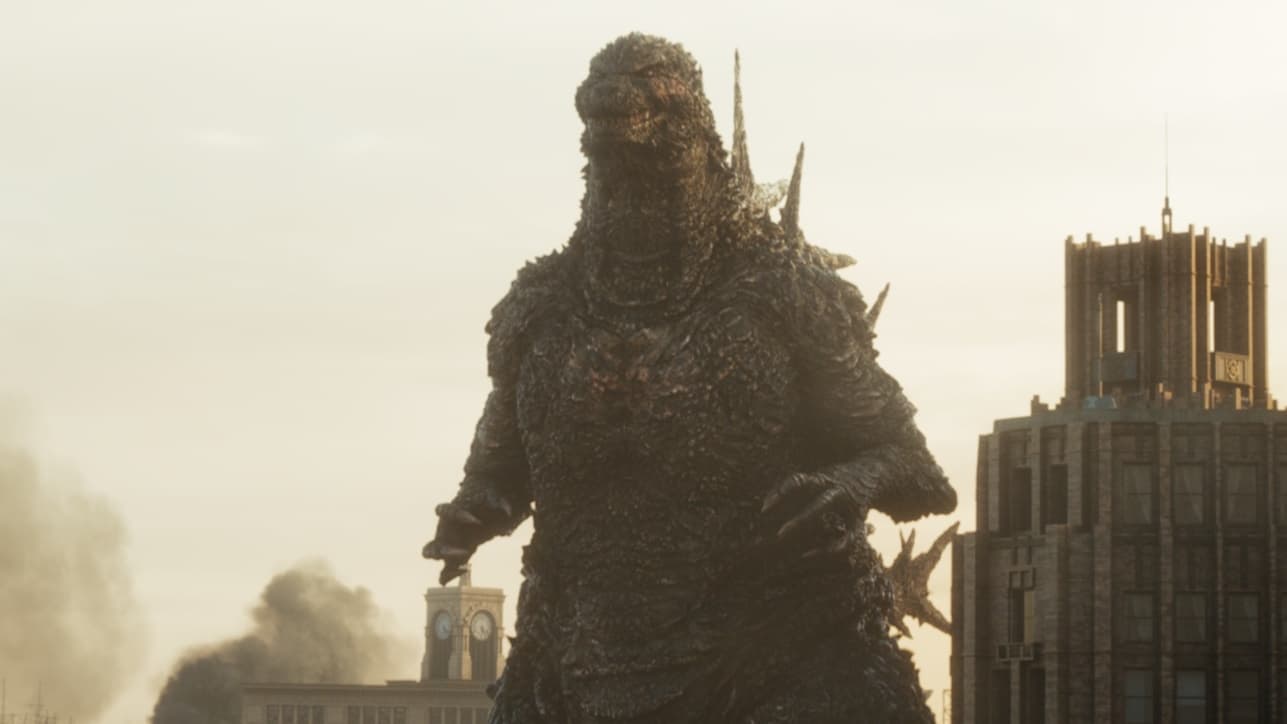
Godzilla Minus One – The best Godzilla movie I’ve seen since the original 1954 classic. While this has plenty of monster smash action, the thing that sets this apart is the focus on a culturally and thematically rich human story at its core. Minus One centers on a flawed but striving protagonist that you can’t help but root for, and that imbues the struggle with Godzilla with much more power than most monster slugfests. It manages to balance spectacle with just the right dollops of melodrama and thematic heft, tying it all together in a surprisingly effective package.
Killers of the Flower Moon – I’m not quite as rapturous about this Martin Scorsese epic on the plight of the Osage people as many folks are, but it’s an immensely well made film, energetic and agonizing at the same time.
This excruciating portrayal of a town of amoral monsters with no interest in or sense of right-and-wrong isn’t exactly fun to watch, but Scorsese does manage a few Coen-esque moments of dark levity here and there. It’s a bit indulgent and certainly overlong, but also something of an achievement that a movie this unpleasant can still succeed this well.
John Wick: Chapter 4 – The final installment (for now, I guess) of the Wick saga is also maybe a tad indulgent and overlong, but it’s suffused with grandeur and an unexpected melancholy that suits the series well. It looks great and has several of the best action sequences of the year, including an overhead oner that is utterly glorious cinema. A fitting end to the series, even if it will shamble on in spinoffs and sidequels or whatever they call it.
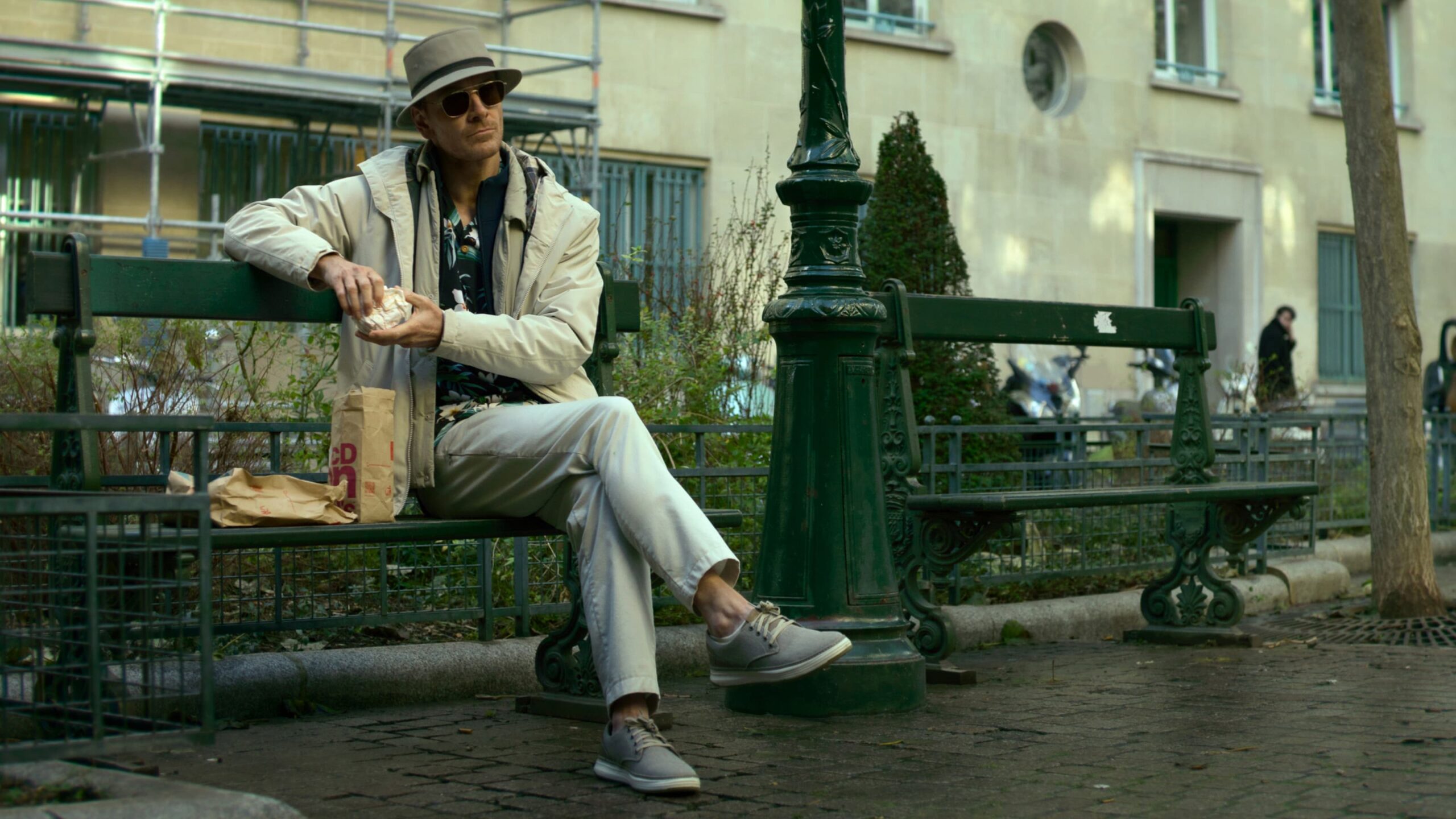
The Killer – David Fincher’s self-deprecating paen to the hollowness of perfectionism, a universal critique of the justifications and rationalizations we all indulge in all wrapped up in a tight genre exercise that’s thrilling and even a little funny on its surface levels. It’s better when you know more about Fincher, but his critique isn’t quite as devastating because he’s also making so much fun of himself (or, at least, his filmmaking persona). He’s in it with us.
Great performances from the likes of Michael Fassbender and Tilda Swinton (not to mention all the bit parts swallowed up by character actors like Charles Parnell) and a digital aesthetic that’s actually distinctive (something Fincher’s been doing for a long time). I wish it got more of a theatrical release.
The Artifice Girl – Talky, stagey, micro-budget, ideas-driven Science Fiction is my catnip. Underseen and probably best experienced knowing as little as possible going in, so I’ll leave it at that, but it’s a movie that will turn the tables on you multiple times, despite mostly being set in a single room with folks chatting.
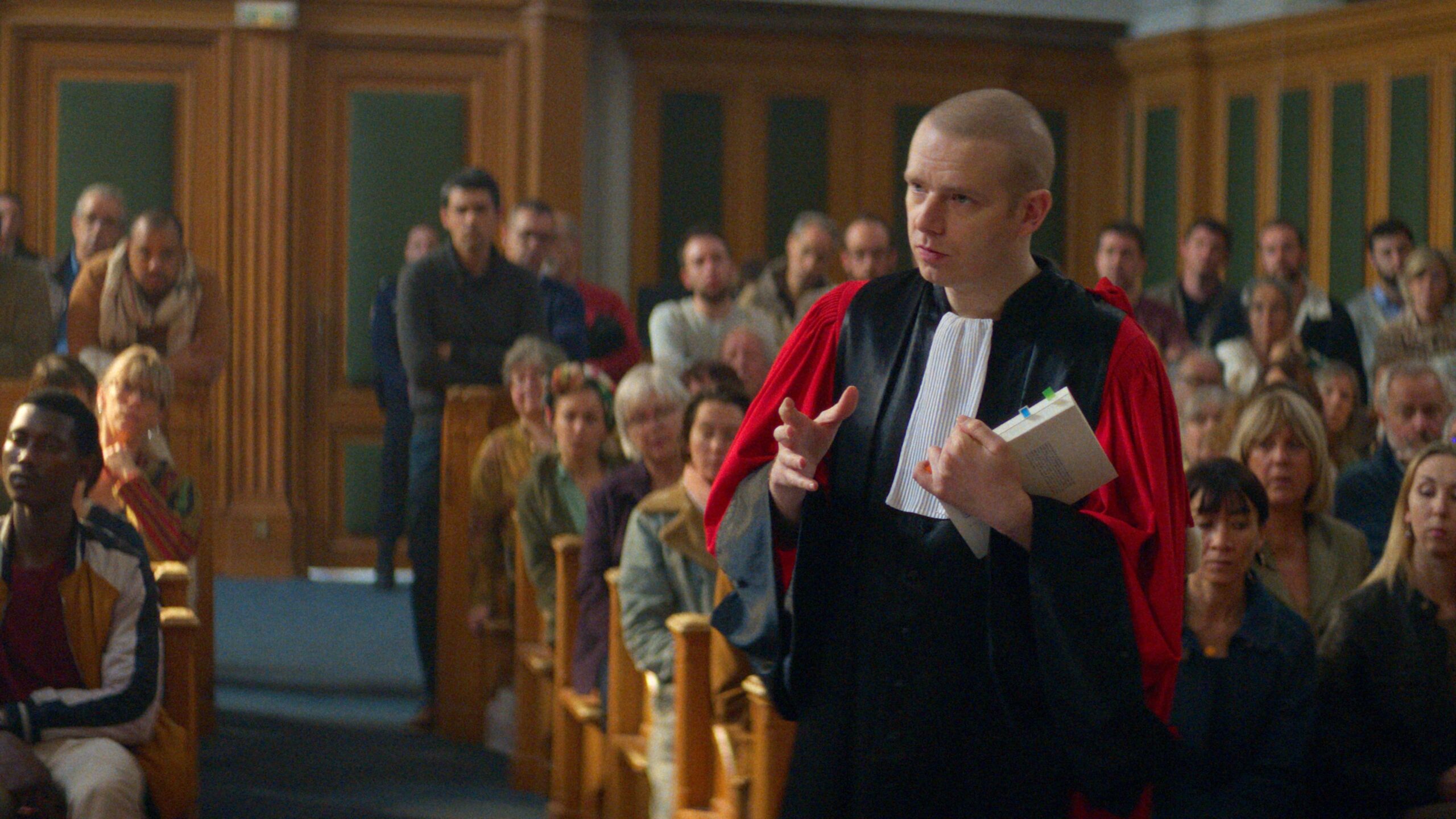
Anatomy of a Fall – The French court system, as portrayed in this movie, is absolutely wild (I’m assuming liberties are taken, but the wacky way the trial unfolds is one of the joys of watching this movie as an outsider).
I’m a sucker for twisty courtroom dramas, and this hits all those notes well (French wackiness notwithstanding), anchored by Sandra Hüller’s performance, but I’ve also always connected with the thematic point about the difficulty of recreating the past in the present as well. It’s a daunting problem even in the best of situations, but this movie is a good demonstration of the nuts and bolds of why it’s so difficult to know actually what happened (and not to sermonize, but it’s only going to get more difficult in the future).
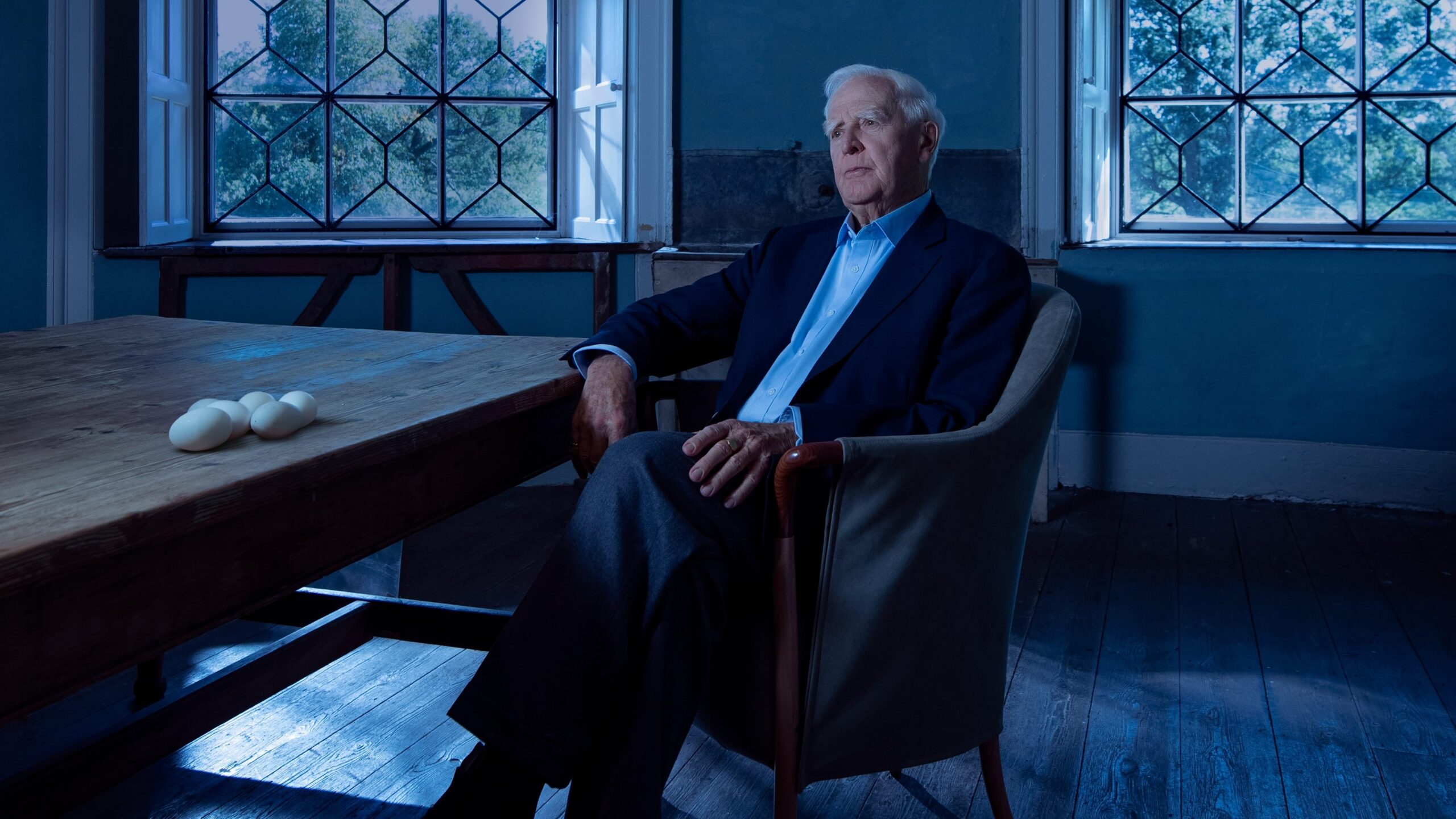
The Pigeon Tunnel – Errol Morris documentary on the storied life and career of David Cornwell, more famous as his pen name John le Carré. It takes the form of an extended interview (or, should I say, interrogation, a key distinction that sets this apart from Morris’ other similar efforts), but it fits surprisingly well with Morris’ filmography and the impenetrable nature of Cornwell’s character.
Morris and by extension, the audience, is never quite sure where Cornwall is drawing the line between fact and fiction, but he’s such an engaging presence and natural storyteller that it doesn’t really matter. It made me want to read more le Carré, which is always a good sign when watching a movie like this.
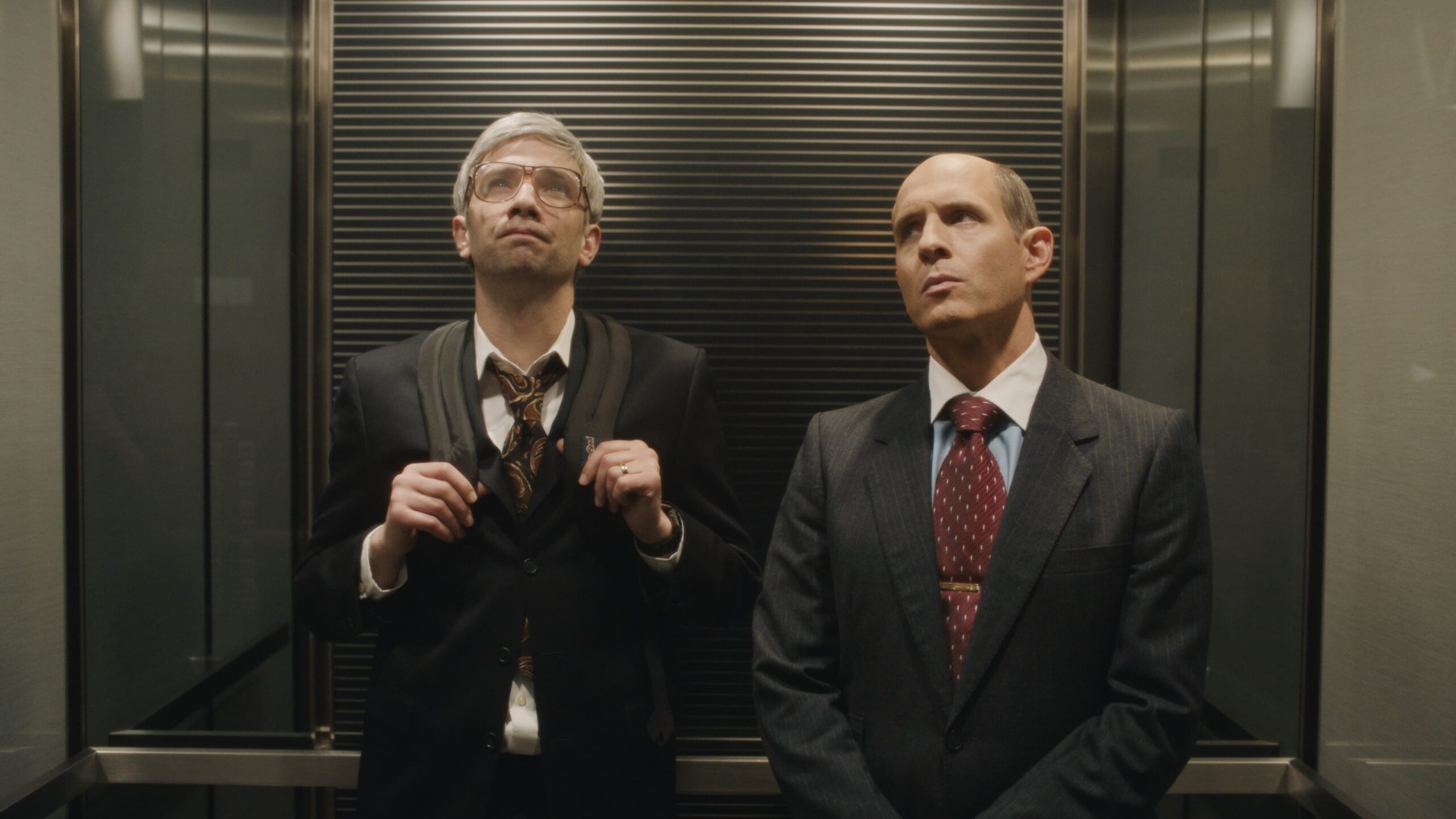
BlackBerry – The best of the rash of “brand” movies we saw in 2023, partly because it covers both the rise and fall of said brand (a few of these movies feel like two hour advertisements for the brand, but not this one), but also because of its good humor and great performances, particularly from Glenn Howerton as the enraged co-CEO.
He’s really cooking here, but even the bit parts from the likes of SungWon Cho or a terrifying Michael Ironside are lights out.
Command Z – Steven Soderbergh’s experimental series wasn’t seen by many folks due to its unconventional distribution scheme, but hopefully it’ll wind up on a streaming service soon enough where it will be seen by many. A unique spin on low-fi time travel with a humorous bent and solid performances, literally episodic in nature, but hits the sweet spot in the overall runtime of 90 minutes or so. It’s worth the hoop jumping that it takes to watch it right now, but it will hopefully be more readily available soon enough.
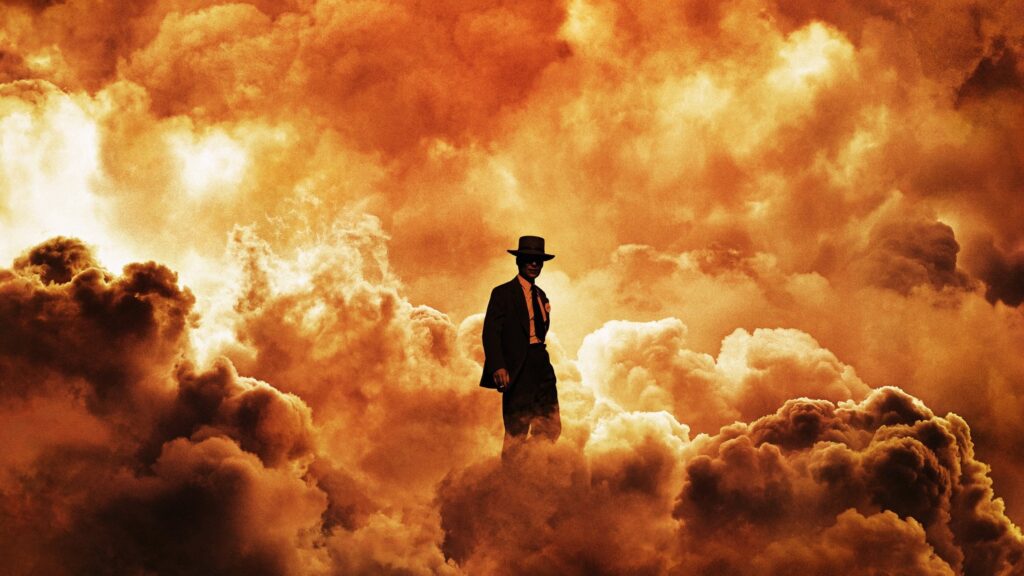
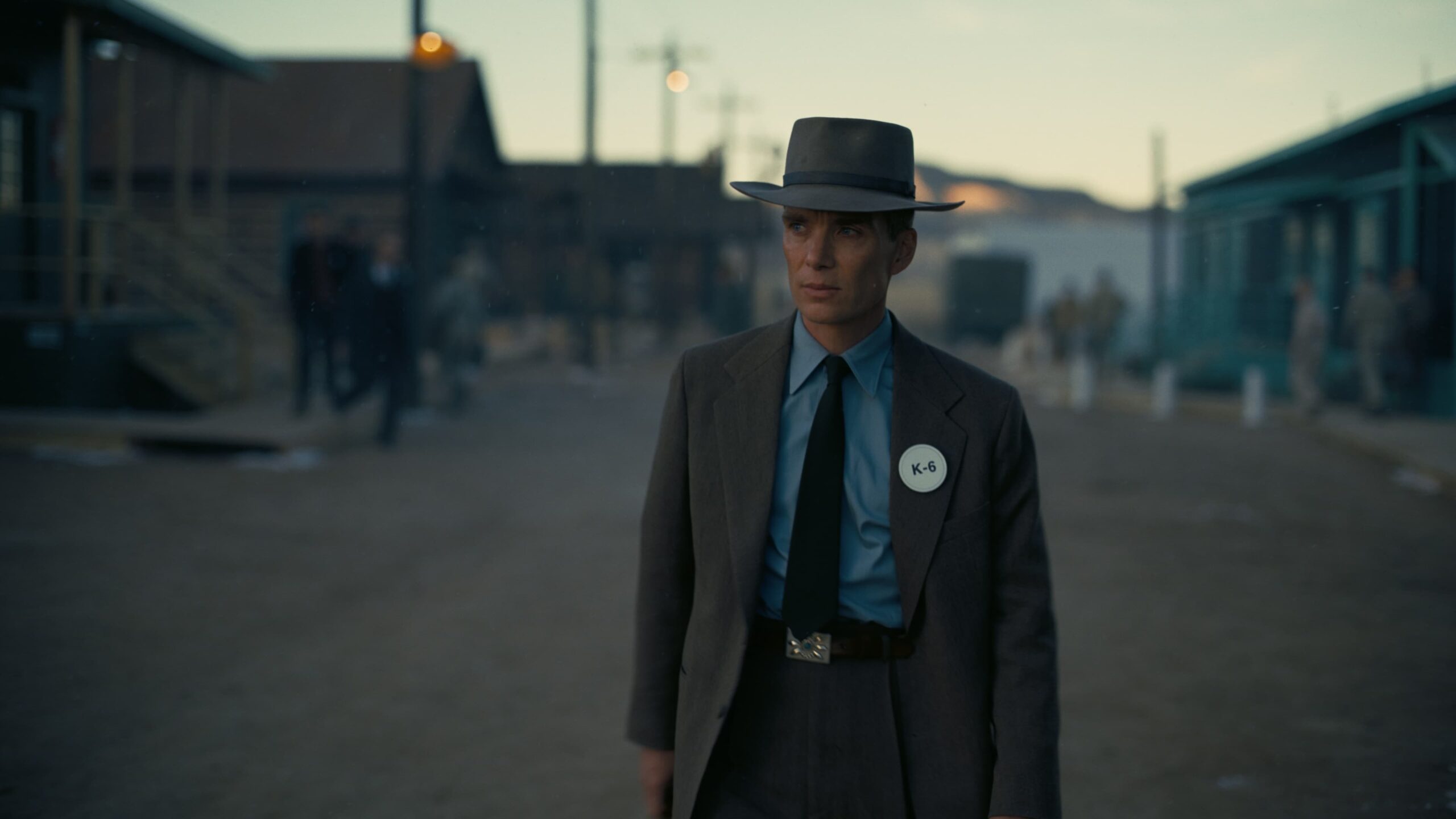
Oppenheimer – Christopher Nolan’s epic biopic of J. Robert Oppenheimer and his role in the development of the atomic bomb during World War II is the obvious choice here.
Ambitious, adventurous filmmaking at its best, which is funny because it’s mostly just a movie filled with dudes talking in rooms about serious subjects, but Nolan just can’t help but make it immersive and thrilling. A masterpiece.
American Fiction – A black author writes a satirical parody of “black” literature in an attempt to expose the publishing world’s hypocrisies only to find surprising success. In some ways, it lets its satirical targets off the hook, but on the other hand, it’s probably a more entertaining and funny experience because of that choice.
The Boy and the Heron – Hayao Miyazaki’s swan song, a contemplation of legacy that perhaps meanders a bit, but pulls it all together admirably in the end. It’s not a crowd pleaser and doesn’t balance the dream logic with its weighty themes as well as some of Miyazaki’s best, but it’s effectively done and worth checking out.
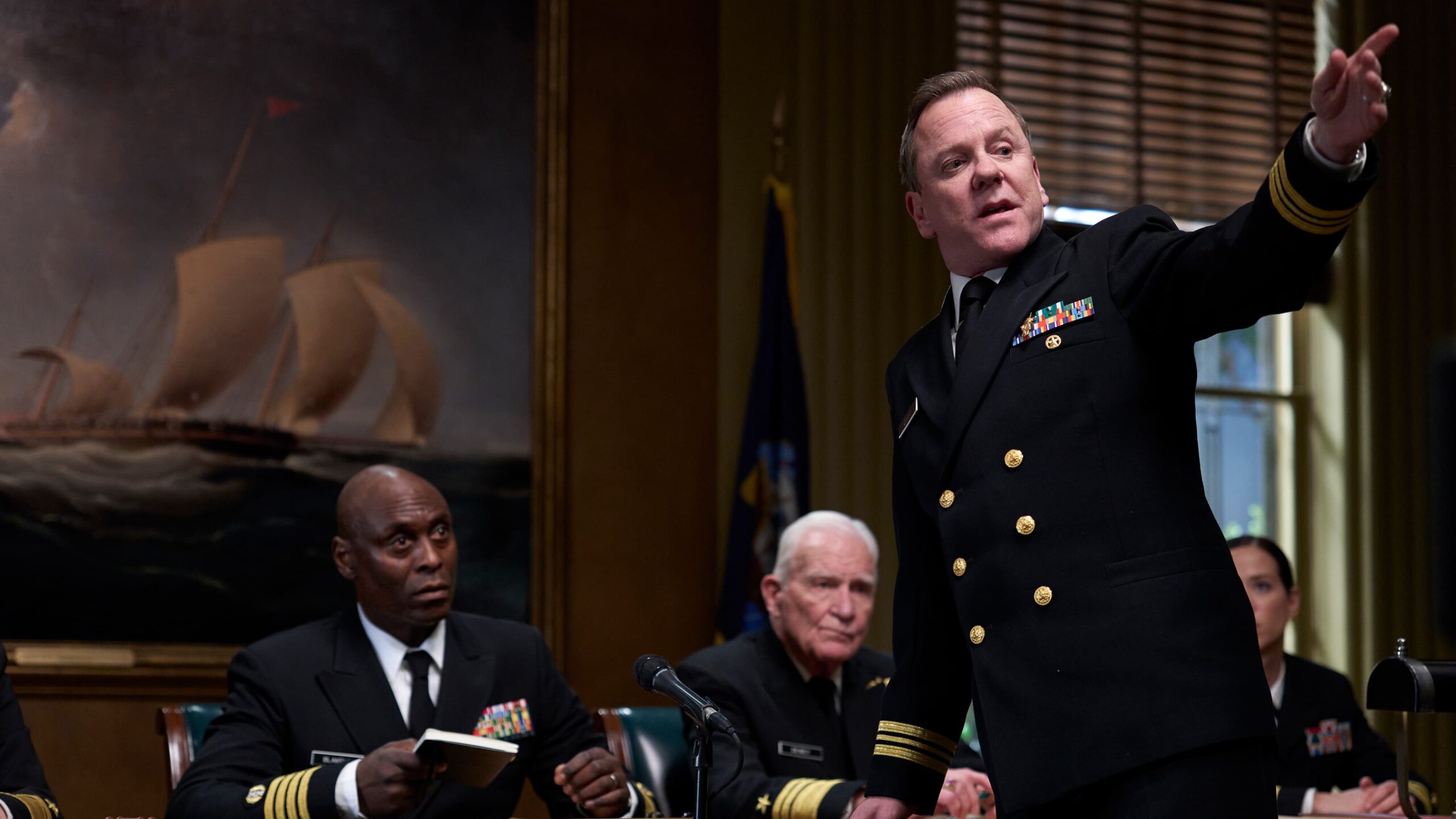
The Caine Mutiny Court-Martial – A solid farewell for William Friedkin. Formally tight but visually simplistic and unshowy, this is a film driven far more by its taught writing than its visual prowess, which fits with the story being told. I can’t help but think that there’s a better version that blends the two screen versions of this story, but this pure courtroom drama approach is certainly valid and Friedkin pulls great performances from the impressive cast as well.
The core drama is preserved and just as thorny as ever, even if we don’t see any of the action and only get the courtroom accounts of what happened (another film about piecing together what has happened in the past, and all the complications inherent in that enterprise).
Dream Scenario – Great high concept story about a man whose life is turned upside down when millions of strangers suddenly start seeing him in their dreams. A sorta exaggerated parable of social media and memetic power that’s obviously quite relevant, it can’t quite maintain momentum throughout the runtime, but it’s a worthy attempt and Nicolas Cage is great in the role.
Dungeons & Dragons: Honor Among Thieves – A charming action/comedy that’s way better than anyone could possibly have expected. Self-aware without being drenched in ironic detachment, it perfectly balances the goofy way a D&D campaign can progress and features plenty of fun characters and solid action. On the bubble for the top 10, but just barely missed and on another day, could very well have made it.
The Equalizer 3 – It’s so funny to me that Denzel Washington has only made two sequels and they’re both in this series, but this might actually be the best of the three. The action moves to Italy this time around, and while it obviously engages in familiar tropes, Washington imbues it all with surprising gravitas, and director Antoine Fuqua captures the action well, especially in the finale, which almost resembles one of those slasher movies where you root for the killer.
Ferrari – Michael Mann’s longtime passion project, a biopic covering a particularly tumultuous period of Enzo Ferrari’s personal and professional life (three pretty traumatic events converging in a relatively short time period) isn’t quite as fast paced or crowd pleasing as Mann’s best work, but it’s still effective and we get a few corkers of monologues or racing action that make the whole thing a worthwhile exercise.
Full Time – French film in which a woman tries to balance caring for her children, her job, and interviewing for a new career, all during a national transit strike. It might not sound like it, but it’s almost like a Safdie-style thriller, with a fantastic, pulsing, anxiety inducing score (that, for some reason, I can’t find anywhere – someone release this thing!) and excellent lead performance. It doesn’t quite descend into full-on tragedy and I think the surprising ending really cemented the film for me.
The History of the Minnesota Vikings – Jon Bois has carved out a truly unique style of documentary filmmaking for himself that is perhaps overlooked due to the subject matter, but probably more because these things just show up on YouTube every year or so. That being said, these long sports documentaries that center around a thematically relevant graph are more interesting than the grand majority of talking heads documentaries or activist exercises. I don’t even particularly care about the teams (and sometimes even the entire sports) that Bois covers, but I can’t help but be compelled by these documentaries.
The Holdovers – Effectively captures that 1970s throwback vibe that it’s going for, with exceptional performances from Paul Giamatti, Dominic Sessa, and Da’Vine Joy Randolph. This is exactly the sort of movie people claim isn’t being made anymore, but here it is, and too many people probably skipped it. A nice coming of age drama with well drawn characters and darkly humorous tone.
LOLA – British micro-budget found footage flick about sisters who invent a time travel device during WWII. Seamlessly integrates authentic newsreel footage with fictional found footage to effective ends, telling a twisty time travel story that is reasonably clever and somewhat unique (the time travel consists of information broadcasts from the future, not actual matter). Short and sweet, I’m guessing the David Bowie music license cost more than the rest of the movie combined.
Mission: Impossible – Dead Reckoning Part One – The best half-a-movie of the year, by far. Tom Cruise and Christopher McQuarrie continue their consistent one-upping of themselves here with a couple of really amazing action set-pieces. Heck, even one of the more conventional sequences earlier in the film puts a similar sequence in Fast X to shame. It’s not quite as cohesive as Fallout, but it’s also only half a movie, even if it finds a good place to end.
Past Lives – Another one of those adult dramas that people like to claim aren’t made anymore, and to be fair, this one-that-got-away tearjerker is generally not my favorite sort of thing, but it’s well done, very well acted, and there’s plenty to relate to for just about anyone. I found myself surprisingly moved, and that’s one reason I like catching up with so many movies that I would otherwise skip at the end of the year…
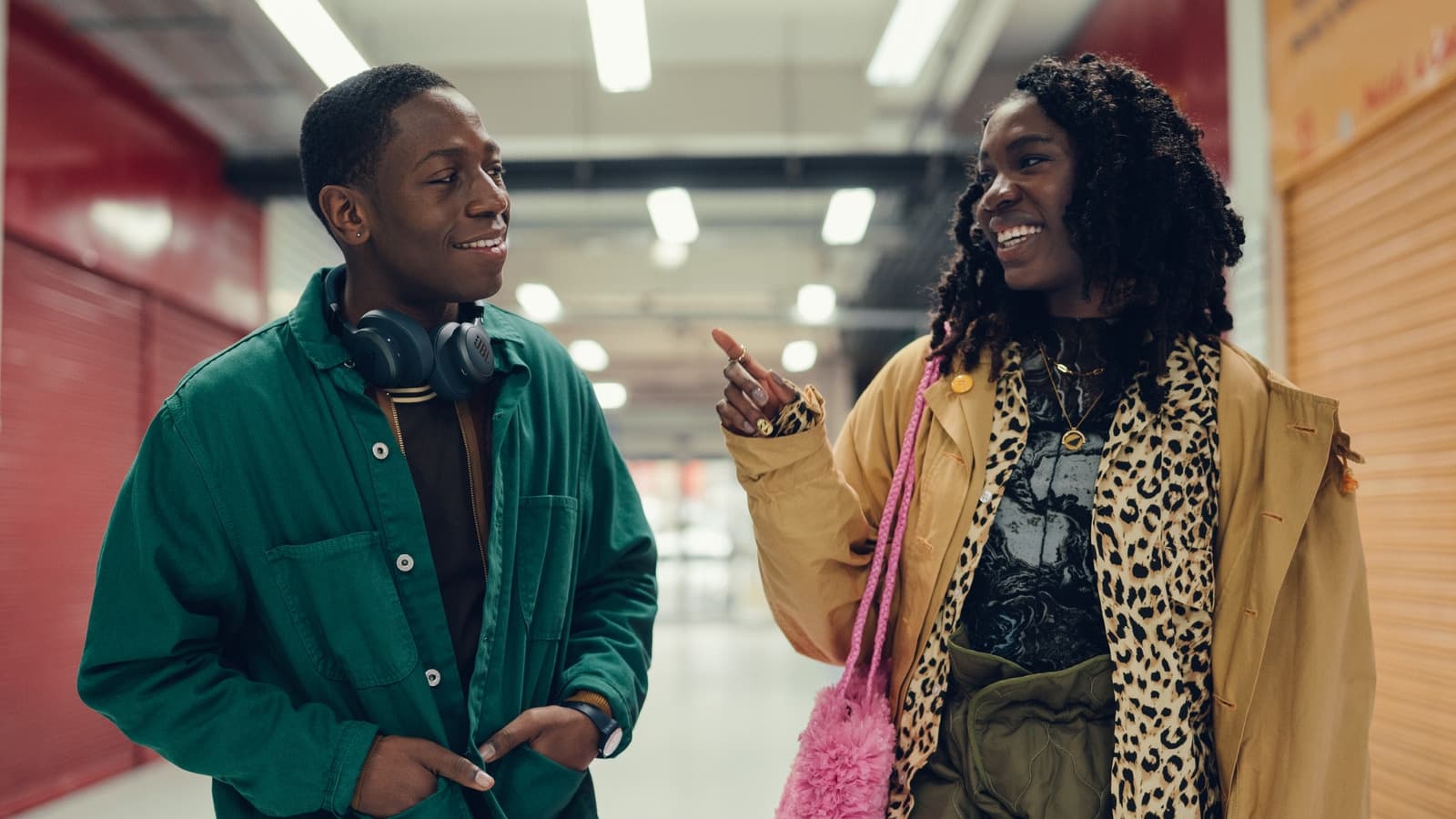
Rye Lane – The best romantic comedy of the year, with a charming and sweet chemistry between the leads, some visual flare, and a solid structure behind it. Brisk and frothy fun, it puts enough of a spin on the well worn genre that it comes off feeling fresh even if we’ve seen many of these elements before.
Part of this might just be its British origins, but I still think it’s distinct enough… Well worth seeking out.
When Evil Lurks – Intense Argentinian thriller about a vaguely demonic evil infesting a small town and growing in power or somesuch. It’s messed up and often shocking and thus quite effective. I don’t normally groove on this sort of nihilistic exercise, but it works well here and director Demián Rugna is capable of crafting exquisitely painful sequences. Not exactly fun, but if you can get on its sick frequency, you’ll have a good time.
Despite having watched over a hundred movies made in 2023, there are plenty that I probably should have caught up with. Sometimes they weren’t readily available, sometimes I couldn’t muster up the will to get to the theater, sometimes I just didn’t wanna watch (because reasons, that’s why). I will almost certainly end up seeing some of these and loving them, which is why the Kaedrin Movie Awards always has a category about the previous year’s movie…
That just about covers it for the top 10 movies of 2023 and Kaedrin Movie Awards season in general. The only thing that remains is Oscar speculations, which are coming up quickly… Stay tuned!
Vintage Science Fiction Month is the brainchild of the Little Red Reviewer. The objective: Read and discuss “older than I am” Science Fiction in the month of January.
Info-Dumps inhabit a unique place in Science Fiction. Much maligned and discouraged by conventional standards, they nonetheless serve an informative need that might otherwise be impossible in a traditional narrative. Obviously this can be done well and it can be done poorly, not everyone can be Greg Egan or Neal Stephenson, and in a very real sense it often conflicts with admirable rules of thumb like “show, don’t tell.”
There are some tricks that can hide the worldbuilding in the very mind of the reader by implying rather than baldly stating information. The typical example of this is when you encounter the phrase “ground car” in a science fiction story. There’s an obvious meaning here, a car that drives on the ground just like many of us ride in every day, but the inclusion of “ground” as a modifier implies not just the existence of other modes of transportation (most likely an “air car”) but potentially entire worlds that can be unlocked (including, for example, differences in architecture or how accessibility of previously difficult terrain changes, and so on). Eric S Raymond explains how these SF words indicate prototype worlds, delves deeply into what makes them work, and how this operations within the works of the genre, but the ultimate point is that science fiction operates on information and as such, info-dumps, even ones cleverly implied by previously established jargon are a key part of the genre.
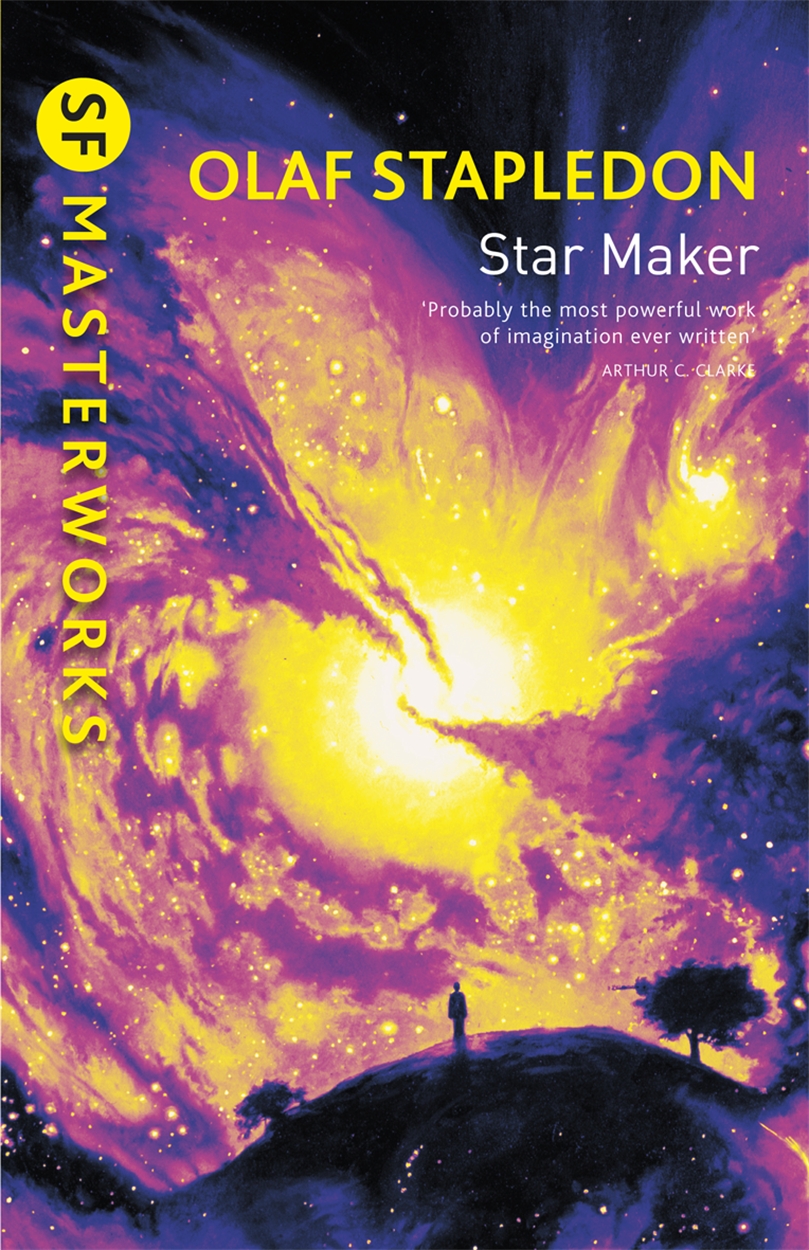
I say all of this because Olaf Stapledon’s 1938 Star Maker is less of a novel than an extended info-dump. A man gazes at the stars one night only to find himself hurtling through the firmament, a disembodied mind exploring the cosmos, stumbling on alien cultures, and traveling beyond galactic boundaries, eventually to glimpse the eponymous Star Maker, an inveterate and eternal tinkerer who has been creating each cosmos with more ambition than the last.
All of this basically takes the form of a sorta fictional Athropological text, part memoir, part travelogue (I suppose the more accurate term would be Xenology). Stylistically stripped down, simplistic, and conversational in tone, it’s not really a fast-paced page-turner, but neither is it bland or boring. This is why info-dumps are generally frowned upon in the first place, but on the other hand, the idea quotient is astounding. There’s a massive amount of imagination on display as Stapleton cycles through observations of astronomical features, exoplanets, alien life (humanoid at first, but then stretching boundaries to all manner of strange consciousnesses, galactic societies, utopias, and eventually even alternative cosmoses.)
The sheer quantity of novel ideas on display is impressive. Stapledon covers a lot of ground and popularizes if not originates numerous concepts that would become famous genre tropes later. For example, Freeman Dyson credits his idea of a hypothetical megastructure that surrounds a star and captures a large percentage of its solar power output to Star Maker, even suggesting it be called a Stapledon Sphere (it’s now known as a Dyson Sphere). That example is also illustrative of the fact that Stapledon was writing this before the terminology or jargon was even invented. He touches on things like the Many Worlds Interpretation of quantum mechanics, the Great Filter, and the Dark Forest Hypothesis, even if he didn’t have the words to describe it. And I’m only really scratching the surface here. There are a ton of big ideas that originate from this book. The only thing that isn’t particularly well captured are computers and artificial intelligence (and associated speculations like the Technological Singularity, etc…), but that’s a topic that wasn’t particularly well explored in science fiction for another 30ish years (and even those early examples were rudimentary compared to later efforts).
More surprising is how spiritual the book can get. Stapledon was an agnostic, but the yearning for meaning and utopia that is present here is essentially a religious impulse. When the titular Star Maker appears, it’s portrayed in conflicting terms as indifferent yet somehow also loving, but also at its core: unknowable. Our humble narrator is overwhelmed by the task of describing it using our imperfect language, and essentially leaves it at that. Still, he describes many an alternative cosmos, including one that is basically Judeo-Christian in nature: a universe that consists of successive phases where lives end in one phase and reappear in another (there are two alternative secondary phases that could be described as heaven and hell). Stapledon’s story doesn’t entirely resolve anything here – you could see this as a a Turtles all the way down type of situation – and as such, there are some who could consider this view of God as heretical. For instance, C.S. Lewis, in a letter to Arthur C. Clarke, famously quipped that Star Maker “ends in sheer devil worship.” I wouldn’t go quite that far, but the spiritual endgame of the universe is something you don’t see often in science fiction.
It’s a fascinating, seemingly foundational work of science fiction. It doesn’t necessarily dive deeply into every concept, but it prefigures much of what would come after. It’s not really a beginner’s text, nor is it a fast-paced page-turner, but it’s not impenetrable either. Very much worth seeking out for students of the genre and a perfect example of the sort of thing Vintage SF Month is all about.
The 2023 Kaedrin Movie Awards Winners were announced last week, which means that it’s time for more arbitrary considerations. The idea is to recognize aspects of films that aren’t reflected in more traditional awards or other praise like a Top 10 list. However, any consistent, formal awards system will fail to capture all the nuances and complexity available; hence the 2023 Arbitrary Awards, an opportunity to commend movies that are weird or flawed in ways that don’t conform to normal standards. A few of these “awards” have become an annual tradition, some were stolen from other folks, but most are just, well, arbitrary. Previous Arbitrary Awards: [2022 | 2021 | 2020 | 2019 | 2018 | 2017 | 2016 | 2015 | 2014 | 2013 | 2012 | 2011 | 2010 | 2009 | 2008 | 2007 | 2006]
The “You know what happens when a toad gets struck by lightning? The same thing that happens to everything else” Award for Worst Dialogue:Shazam! Fury of the Gods. I give this award every year, but it’s always one of the most difficult because memorably bad dialogue is actually somewhat rare. Or at least, it is for me. A lot of the worst dialogue is bad because it’s distinctly unmemorable. Anyway, this sometimes means there’s a recency bias in this award, and I literally just watched this one. It has lots of awful dialogue, but the thing that pushed it over the top was: “The most powerful thing about you… is you!” Alright, that’s not great, but is it really the worst of the year? Well, it might not have been if they only said it once in the movie. Instead they say it again, just really calling attention to the badness. Also of note, The Marvels has a planet where everyone has to sing their dialogue, which is just awful but in an almost defensible way. I mean, I don’t like it, but I suspect there are a lot of people who could get into that idea and think it’s fun. That being said, it doesn’t even have the courage of its convictions and abandons the singing halfway through the scene. Anyway, this is more due to the way the dialogue is delivered than the actual contents of the dialogue, so we’ll just leave it as not winning.
The Proximity to Jason Voorhees Award for Heroic Stupidity: It’s a Wonderful Knife. There’s some things to like about this movie, but I found myself baffled by how stupid a lot of it was. A slasher inspired by It’s a Wonderful Life is an interesting idea, but they can’t even really get the premise right, let alone have the characters do things that aren’t just nonsense. Also of note: Scream VI has well and truly driven the series into the ground, and No One Will Save You gets a bit of a pass because the dumbest characters are the invading aliens.
The Garth Marenghi “I know writers who use subtext, and they’re all cowards” Award for Achievement in Didacticism:Killers of the Flower Moon. It’s a good movie, maybe even a great movie, and I think the grand majority of the movie is thematically rich and thought provoking, but then Martin Scorsese, perhaps worn down through decades of people willfully misinterpreting his movies as glorifying the actions of horrible people, literally comes on screen and says something to the effect of “These people were all bad.” I get it, and he actually does it in an interesting way that doesn’t ruin the movie or anything, but that’s why this award is here. One of the fun things about the Arbitrary Awards is that things that seem like they’re a bad category to win aren’t actually bad. They’re just weird (and weird is good in this context!)
Achievement in the Field of Gratuitous Violence: Sisu. The Finnish role in WWII notwithstanding, that guy sure did blow up them Nazis real good. Also of note: Thanksgiving, which has some pretty gnarly effects going on.
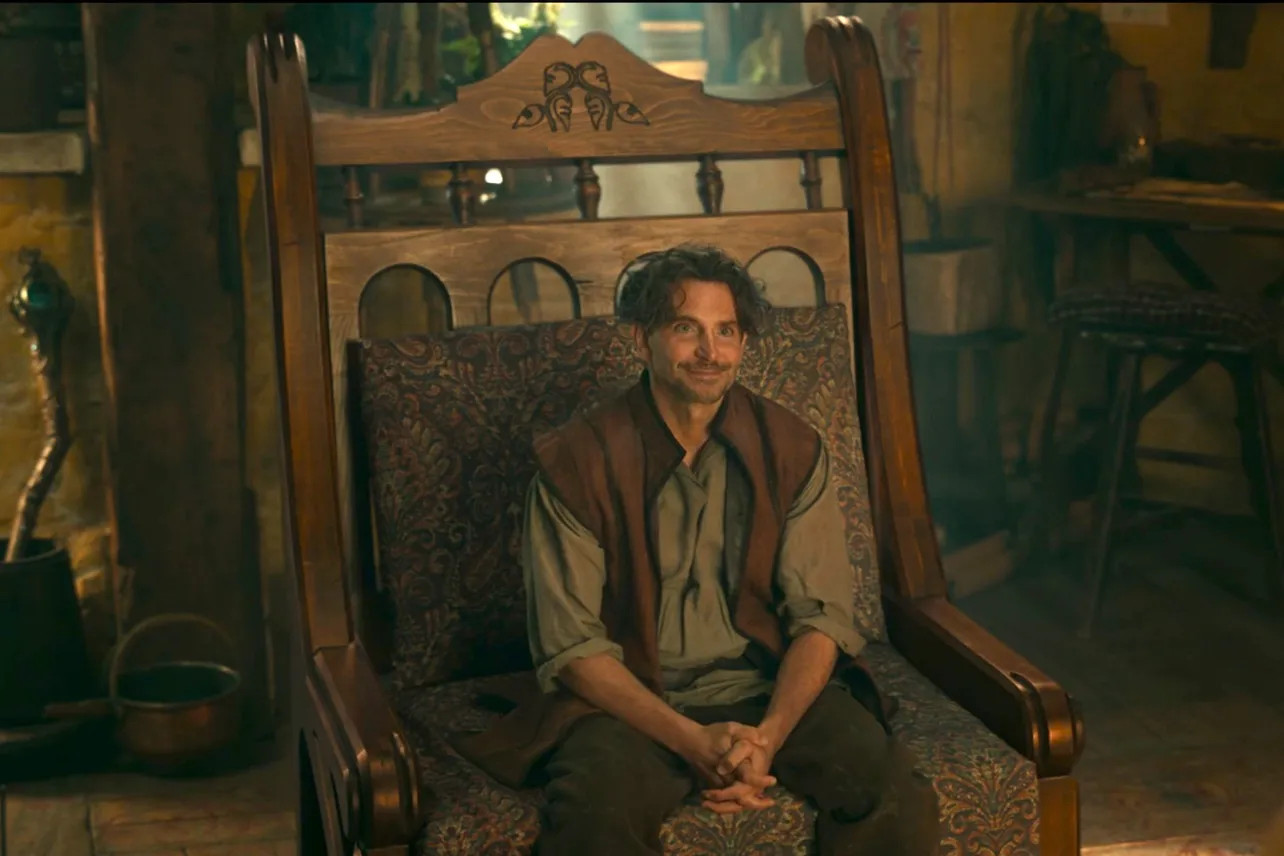
The “Scotty Doesn’t Know” Award for Best Cameo: Bradley Cooper in Dungeons & Dragons: Honor Among Thieves. Genuinely unexpected and probably even unnecessary, the two hallmarks of the best cameos.
Also of note: John Cena as a Merman (Merken?) in Barbie.
The Hank Scorpio Award for Cheerful Villainy: Pom Klementieff in Mission: Impossible – Dead Reckoning Part One. In particular, the sequence where she’s chasing Cruise and Atwell through Rome in a HMMV-like vehicle, just grinning dementedly as she pancakes bystanding cars in pursuit. It’s the sort of performance the elevates an almost rote henchperson role into something much more… Also of note: Casey Affleck’s performance as Boris Pash in Oppenheimer. Infused with a perfect sorta smiling menace and dread, you almost don’t even need Matt Damon’s character to explain Pash’s past exploits to know how much danger Oppenheimer put himself in with that meeting. Genuinely want to explore more about Pash, who seems like an interesting (if a bit unhinged) guy.
Most Unnecessary Subtitle:Operation Fortune: Ruse de Guerre. I mean, the whole title is somewhat bad, and honestly, most subtitles that aren’t sequels are unnecessary, but man, what were they thinking here? I really enjoyed the movie quite a bit, a frothy, fun spy caper thing that really didn’t catch on, but is worth seeking out if you like that sort of thing. But with a title (and subtitle) like that, I don’t blame you for not knowing about it…
Best Retired Spy:The Equalizer 3. It’s so funny that Denzel has only done two sequels in his career, and it’s these Equalizer movies he keeps coming back to… but this third installment is actually quite good! Maybe even the best of the series. Denzel’s retired spy turned drifter winds up in Italy, and finds peace… until he doesn’t and turns into an avenging spirit, almost like a slasher villain or something (but, like, heroic instead of villainous).
Best Badass/Villain (non-Human Edition): Godzilla from Godzilla Minus One. One of the great things about this movie is that they let Godzilla be a monster, instead of like, a sorta heroic monster that protects humans from bad monsters.
Most Underseen Romantic Comedy:Rye Lane. Delightful British RomCom that didn’t get much of a release here, but is well worth seeking out for fans of the genre (it’s on Hulu).
Best U.S. Military Cameo: The AC-130 in The Covenant. The movie has some tense action sequences and plenty of intractable bureaucracy, but I was not expecting the AC-130 “Angel of Death” sequence towards the end of the film. It’s disturbingly satisfying to watch.
Bleakest Horror Movie:When Evil Lurks. Absolutely messed up, nihilistic, doomcore, just plain mean movie. It’s pretty damn good.
Best YouTube Release:The History of the Minnesota Vikings. Clocking in at 9 hours and change, this is more of a TV series than a movie, but documentary director Jon Bois has really carved out a particular niche, complete with his own auteurist style. I don’t know if it’s quite as good as his History of the Seattle Mariners series, but it’s still pretty great.
That does it for the 2023 Arbitrary Awards, but stay tuned, moar 2023 movie commentary incoming, including the traditional Top 10 list (this will probably take a couple weeks) and some Oscars commentary…
The nominees for the 2023 Kaedrin Movie Awards were announced last week, and today we announce the award winners. The Oscars were also announced this past week, and the discourse has produced the usual unhinged complaints about snubs and relatability and other bitter recriminations. As with many things, the Oscars has had a weird few years in this post-pandemic era. Hosting woes, The Slap™, and ever present controversy has taken a toll, but it’s still fun if you don’t take it too seriously. Speaking of which, it’s about time to get to my silly little awards. I realize this is happening about a month or two later than most publications’ year end roundups, but I’m not a critic with access to screeners, so I’m still catching up with a lot of 2023 movies. Anywho, that’s enough preamble, let’s get to the fireworks:
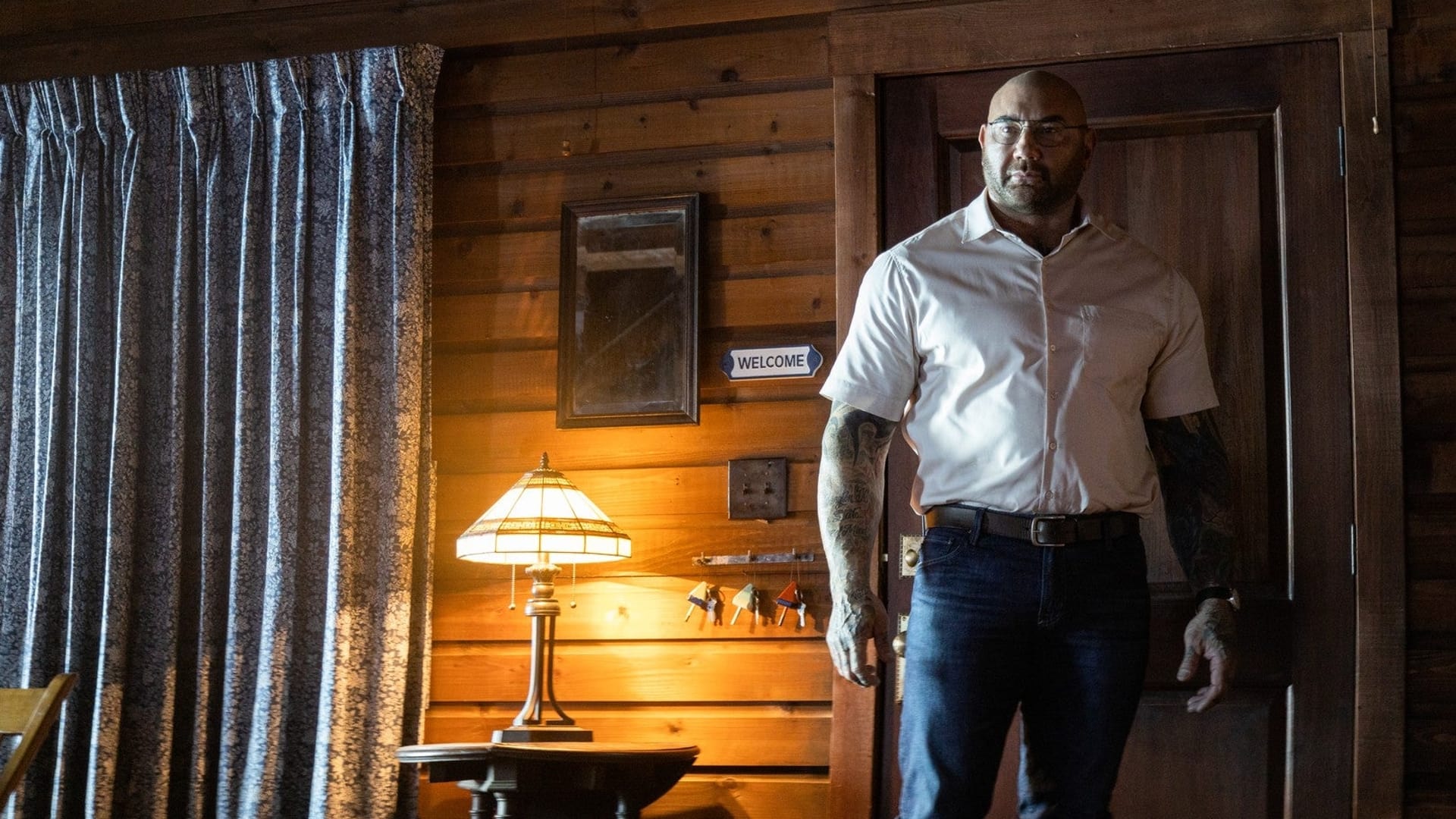
Best Villain/Badass: Leonard, played by Dave Bautista in Knock at the Cabin. This was a surprisingly hard choice, and to be sure, Bautista’s Leonard isn’t your typical villain, which is probably why I ended up choosing him. Bautista’s soulful performance contrasted with his almost comical physical presence was a big part of it. The movie wasn’t my favorite, but his performance was memorable and effective.
The competition was also quite weak this year. I considered the Marquis, played by Bill Skarsgård in John Wick: Chapter 4, but he’s a sniveling weakling who hides behind Donnie Yen’s Caine (who perhaps should have been the one nominated, but he’s too sympathetic and friendly with John Wick – one of those weird borderline cases that come up in this award sometimes). Gabriel, played by Esai Morales in Mission: Impossible – Dead Reckoning Part One was also in contention, but he’s such a weird addition to the franchise – they play it like he’s been there all along, but this is the first we’ve seen of him. He’s certainly good in the role and I’m looking forward to the next movie, but he doesn’t really stand out. Also of note are the dueling Hugh Grant nominations for Operation Fortune: Ruse de Guerre and Dungeons & Dragons: Honor Among Thieves, both underrated movies deserving of more love (and Grant has lots of fun in both roles). It’s also nice to see a strong showing from the Slasher contingent in the nominees, but in the end, the unusualness of Bautista in Knock at the Cabin takes the cake.
Best Hero/Badass: John Wick, played by Keanu Reeves in John Wick: Chapter 4. I don’t know how this happened. Somehow, there’s been three previous John Wick movies and Wick/Reeves has not won this award. In some ways it’s fitting that this series finale finally generates the long sought after award win, in other ways, I worry that I’m becoming like the Oscars, handing out lifetime achievement awards over more deserving winners.
On the other hand, there really isn’t an obvious challenger to Wick and the choice is eminently defensible. Funnily enough, one of the leading challengers would be Tom Cruise as Ethan Hunt, who defeated Wick a few years ago for this very award (plus, to lean into the Oscar politics aspect, Cruise has won this multiple times). One other strong contender was Denzel Washington in The Equalizer 3, a movie I enjoyed way more than I thought I would (and which seems a bit slept on). Ultimately, though, it was finally time to hand the award to Wick.
Best Comedic Performance: Jennifer Lawrence in No Hard Feelings. A genuinely tough choice as there wasn’t really an obvious winner, though I do think that Lawrence’s performance is genuinely funny and she really put herself out there with this movie (sometimes, *ahem*, literally). The other nominee that I strongly considered and wanted to highlight was Glenn Howerton in BlackBerry. It’s a great performance, quite funny, and deserving of recognition. I dunno, maybe consider this a tie or something? This award is frequently strange because there are so many comedies that are more ensemble pieces than singular comedic vehicles. Plus, comedies are something of a rarity these days, with so many being a component of a larger genre (i.e. Dungeons & Dragons: Honor Among Thieves is an adventure with a bunch of comedic beats for flavor, rather than primarily a comedy). Anyway, it’s nice to see an R-rated sex comedy these days, it’s a genre seemingly on the verge of extinction. Margot Robbie was great in Barbie, but I also feel like that’s more of an ensemble piece with a lot of humor coming from elsewhere. Paul Giamatti is amazing in The Holdovers, but while he delivers some zingers and humor, it’s more of a dramatic performance than comedy.
Breakthrough Performance: Sydney Sweeney in Reality and Anyone But You. I’ll admit to this award being somewhat nebulous, but it seems clear to me that Sydney Sweeney is going places, and that we’ll be seeing a lot more from her in the next few years. I will say that I wouldn’t have chosen her if I didn’t catch up with Reality, a high concept acting exercise that shows more range than expected. It seems obvious that Sweeney could achieve success with romantic comedies like Anyone But You, but it seems like she could choose more challenging roles and pull them off if she wanted to… Lily Gladstone was great in Killers of the Flower Moon and I suspect we’ll see more of her, and I do want to call out the last minute addition of Dar Salim in The Covenant. It wasn’t a movie I was particularly excited to see, but his performance was razor sharp and I hope we see a lot more of him in the years to come.
Most Visually Stunning: Asteroid City. Somehow, I’ve never given this award to a Wes Anderson movie. He’s one of our most distinct auteurs and visual stylists, with a brand of fussy, weaponized quirk that is truly beautiful to observe, even if you don’t love the movie (for the record, I really like Asteroid City, though it’s far from my favorite Anderson and probably won’t make the top 10).
It’s obviously worth noting Barbenheimer (Barbie and Oppenheimer) here, as they’re both visually stunning, and I’ll also through out extra mention to Poor Things and The Creator, which are also beautiful movies.
Best Sci-Fi or Horror Film: Command Z. A genuinely hard choice here, but I figured I’d spread the love around a bit. Command Z is one of those experimental Steven Soderbergh movies, but its genre elements (involving time travel, amongst a few other sub-genres) tickled me in just the right way. It’s worth seeking out, and you truly do need to seek it out because one of the experimental things about this movie is its distribution, which means it’s only currently available via its website. I’m sure it’ll show up on a streaming service at some point, but it’s worth the effort to watch now. I’ll hold off on the runners up, as some will be showing up below. The only thing I should mention though is that I caught up with When Evil Lurks a few days ago and it’s certainly worthy of attention for horror fans (and would have been nominated if I saw it before the nomination post). It’s not for the faint of heart, but it’s quite effective.
Best Sequel/Reboot/Remake: Godzilla Minus One. A surprising amount of good choices this year, but this was perhaps the most surprising in that I think it’s the best Godzilla movie I’ve seen since the original. The biggest problem with most Godzilla movies is that the human stories surrounding the monster are often so rote and boring. Minus One centers around a flawed but striving protagonist that you can’t help but root for, and that embues the struggle with Godzilla with much more power than most monster slugfests. Culturally and thematically rich, I haven’t seen this sort of thing in a Godzilla since the original. Lots of competition for this award though, including the trio of John Wick: Chapter 4, Mission: Impossible – Dead Reckoning Part One, and The Equalizer 3, all with a similar sort of bent. Heck, it was even nice to catch up with Dungeons & Dragons: Honor Among Thieves and A Haunting in Venice, from series I hope to see more of in coming years…
Biggest Disappointment: Ant-Man and the Wasp: Quantumania. Marvel’s fate post Endgame has been mostly mixed, but this, for me, was where I think it fully went off the rails. I can generally excuse things like poor special effects (like, seriously, did they let these shots finish rendering or what?) if the story is good, but this was so deeply unpleasant. Perhaps it was the near standalone nature of the first two films that made me like them so much, but nearly everything I loved about them was absent here. Not just some of the characters (Luis!) but even something as simple as the good natured relationship that Scott Lang has with his family (including his ex-wife’s husband, etc…) It was always something I loved about this sub-series, and it’s just completely jettisoned in favor of obnoxious daddy/daughter strife and crushed under the weight of Marvel’s franchise-service.
Best Action Sequences: Mission: Impossible – Dead Reckoning Part One. Two of the most amazing action set pieces of the year here: one a stunt where Tom Cruise drives off a cliff on a motorcycle and another in which a train crashes. Even some of the more mundane set pieces were noteworthy – a car chase through Rome works incredibly well thanks to Tom Cruise and Hayley Atwell’s comedic tension, not to mention the deranged but gleeful grin that Pom Klementieff sports as she barrels her way through Rome in pursuit. It’s even more effective when you see Fast X try something similar, with much less success. Anyway, tons of competition here and you could certainly mount a strong case for John Wick: Chapter 4 (in particular, the overhead Dragon’s Breath sequence), but let’s spread things around a bit.
Best Plot Twist/Surprise: The Artifice Girl. Obviously I won’t be spoiling this here, especially since I went into this knowing very little about it (which helps with an award like this). Fortunately, this is an underseen movie, so you too could have such an experience. It’s talky and set mostly in a couple of small rooms, but it’s fantastic. Also a strong contender for Best SF/Horror and Best High Concept, I’ve again opted to spread the love with these awards and am sticking with this choice here. Plenty of other worthy nominees, but I feel like even just nominating them is a partial spoiler, so I’ll just leave it at that.
Best High Concept Film: Silent Night and No One Will Save You. Once again, a very tough choice here, so I’m choosing the cop out, because both of these movies essentially have the same gimmick: almost no dialogue in the film at all. It’s a neat gimmick and emphasizes film as a visual medium. If I had to choose one, it would probably be Silent Night, because it’s so clearly a John Woo movie, touching on many of his themes and hobbyhorses, but he’s able to distill his vision in a stripped down, visual way, rather than through clumsy dialogue.
2023’s 2022 Movie of the Year: Orphan: First Kill. The pickins were pretty slim this year, and this award has always been a little weird in that way. The idea was that I was frequently catching up with this after my top 10 that were worthy of recognition, so I created this award for that purpose. The problem is that I rarely catch up with something that’s really that spectacular, and last year was particularly rough on that front. Even some of the nominees weren’t exactly favorites (I’m sure lots of folks would look at that list and think the obvious choice was Triangle of Sadness, but while I respect what that movie is doing, I didn’t exactly love it.) Anyway, I’m giving it to Orphan: First Kill because I wound up having a blast with the movie. Like its predecessor, it’s not exactly good, but the premise in and of itself is almost hilarious. While this seems like simply more of the same at first, it does have a twist that really makes the movie. It’s not the greatest movie or anything, but I enjoyed it much more than I thought I would…
Congratulations to all the 2023 Kaedrin Movie Award winners! And stay tuned, for next week, the awards go arbitrary!